Age of Ideology

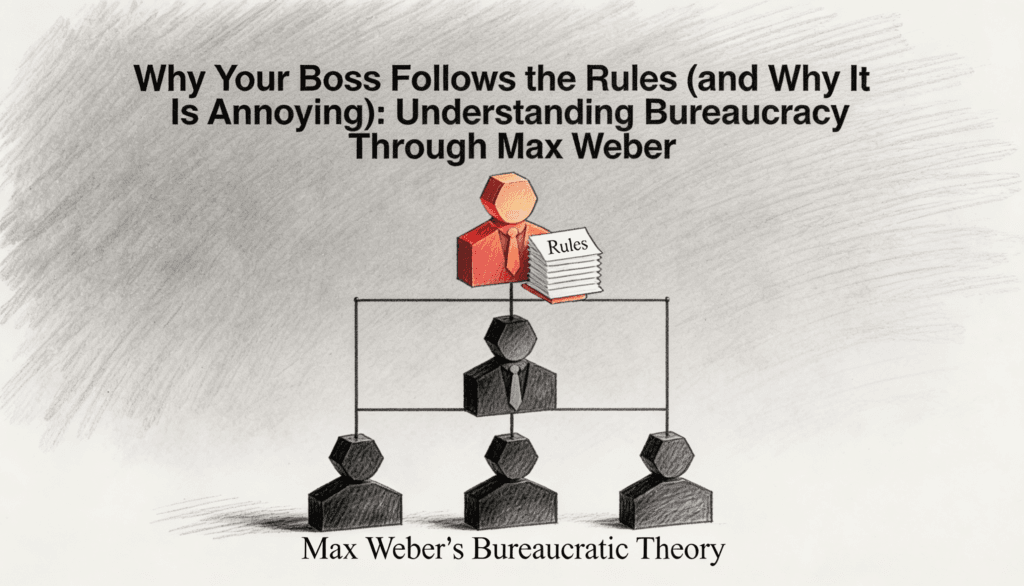
Why Your Boss Follows the Rules (and Why It Is Annoying)- Understanding Bureaucracy Through Max Weber

Why Your Boss Follows the Rules (and Why It Is Annoying): Understanding Bureaucracy Through Max Weber

You filled out the form. Then you filled out the form about the form. Then someone asked you to resubmit the first form because it was the wrong version. You sat there, staring at your screen, wondering how an organization of supposedly intelligent adults could make ordering a new laptop feel like applying for a […]
Why Your Boss Follows the Rules (and Why It Is Annoying): Understanding Bureaucracy Through Max Weber Read More »

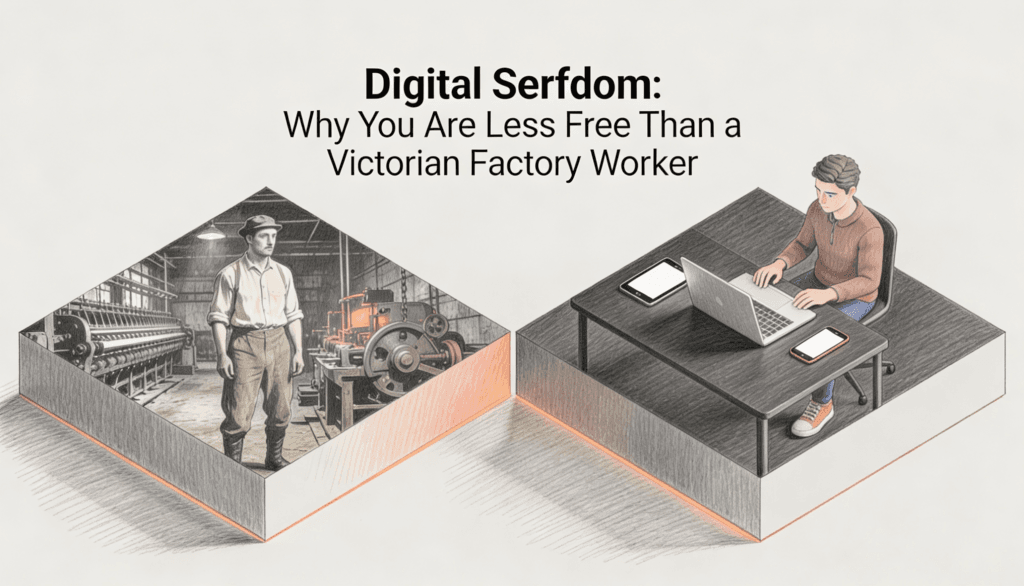
Digital Serfdom- Why You Are Less Free Than a Victorian Factory Worker

Digital Serfdom: Why You Are Less Free Than a Victorian Factory Worker

John Stuart Mill would have hated your smartphone. Not because of the technology itself. Mill was no Luddite. He believed in progress, in science, in the expansion of human capability. What would have horrified him is what you do with it. Or more precisely, what it does with you. Because here is the uncomfortable truth

Digital Serfdom: Why You Are Less Free Than a Victorian Factory Worker Read More »

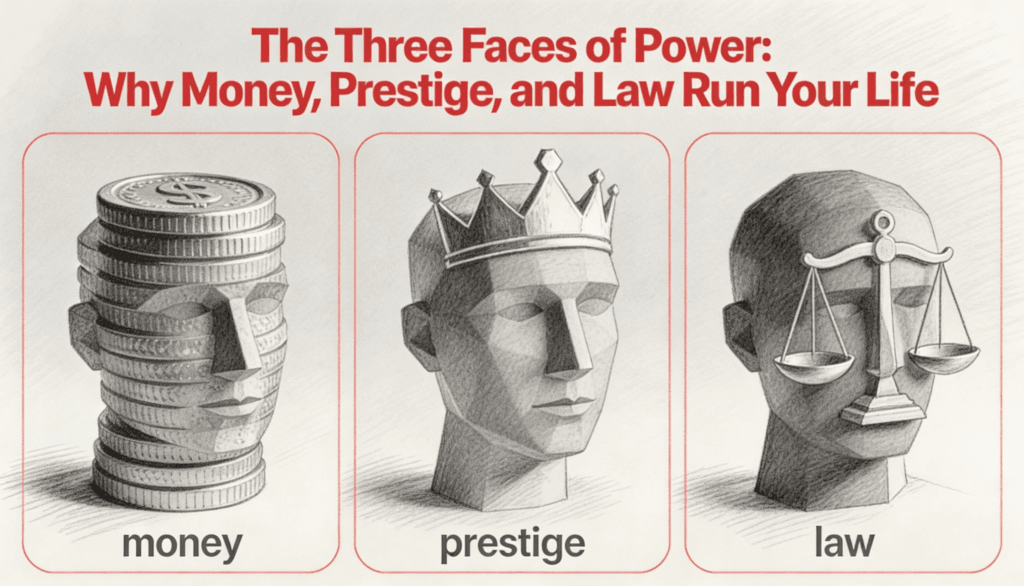
The Three Faces of Power- Why Money, Prestige, and Law Run Your Life

The Three Faces of Power: Why Money, Prestige, and Law Run Your Life

You probably think power is simple. Someone has it, someone does not. The boss tells you what to do. The government passes a law. The rich guy buys what he wants. End of story. Max Weber, the German sociologist who spent his career dissecting how societies actually work, would tell you that you are barely

The Three Faces of Power: Why Money, Prestige, and Law Run Your Life Read More »

Being Busy Is Still a Status Symbol- Weber's Legacy on LinkedIn

Why Being Busy Is Still a Status Symbol: Weber’s Legacy on LinkedIn

There is a peculiar ritual that plays out every Monday morning on LinkedIn. Thousands of professionals post about their packed schedules, their 5 AM wake up calls, their back to back meetings, their weekend work sessions. They do not complain about these things. They brag about them. Being busy, in the economy of social media

Why Being Busy Is Still a Status Symbol: Weber’s Legacy on LinkedIn Read More »

The Courage to Be Weird- Why Eccentricity is the Lifeblood of a Healthy Society

The Courage to Be Weird: Why Eccentricity is the Lifeblood of a Healthy Society

There is a particular kind of person that every society claims to celebrate but quietly tries to crush. The inventor who talks to himself. The neighbor who paints his house purple. The teenager who would rather study fungi than play football. The philosopher who says things that make everyone at dinner uncomfortable. We call these

The Courage to Be Weird: Why Eccentricity is the Lifeblood of a Healthy Society Read More »

Why You Judge People Based on Their Job Title (It's Not Just Snobbery)

Why You Judge People Based on Their Job Title (It’s Not Just Snobbery)

You meet someone at a party. You ask what they do. They say “neurosurgeon,” and something shifts behind your eyes. A small, involuntary recalibration. You stand a little straighter. You listen a little harder. Your questions get slightly more thoughtful. Now replay the scene. Same person, same face, same outfit. But this time they say

Why You Judge People Based on Their Job Title (It’s Not Just Snobbery) Read More »

The Good European- Friedrich Nietzsche's Vision of a Post-National Culture

The “Good European”: Friedrich Nietzsche’s Vision of a Post-National Culture

There is something almost comically awkward about Friedrich Nietzsche becoming a mascot for German nationalism. The man spent the better part of his productive life attacking German culture, mocking the German state, and calling for a future that would make borders look like chalk lines drawn by children. Yet here we are, over a century

The “Good European”: Friedrich Nietzsche’s Vision of a Post-National Culture Read More »