Innovation

Most writing about innovation tells you to “think outside the box” and leaves it there. Intellectual Prestige goes deeper. We explore why our brains treat disruption as a threat, why the best strategies are the simplest ones, why comfort kills creativity, and why the grant-writing industrial complex rewards paperwork over discovery. Our essays draw on philosophy, military theory, and economic history to examine how genuine breakthroughs happen – and why most organizations are designed to prevent them.

Innovation is a Blood Sport- Why Nice Guys Do Not Build the Future

Innovation is a Blood Sport: Why Nice Guys Do Not Build the Future

There is a comforting story we like to tell about progress. It goes something like this: a clever person has a wonderful idea, the world recognizes its brilliance, customers line up, competitors politely step aside, and everyone ends up better off. Cue the TED Talk. Cue the applause. Joseph Schumpeter, the Austrian economist who spent […]

Innovation is a Blood Sport: Why Nice Guys Do Not Build the Future Read More »

The Grant Writing Industrial Complex- How the Best Paper Pushers Win the Most Money

The Grant Writing Industrial Complex: How the Best Paper Pushers Win the Most Money

Somewhere in a university office right now, a brilliant chemist is not doing chemistry. She is writing a sixty page document explaining why she should be allowed to do chemistry. She has been writing this document for three weeks. When she finishes, a panel of strangers will read it. Most will skim it. They will

The Grant Writing Industrial Complex: How the Best Paper Pushers Win the Most Money Read More »

Clausewitz the Minimalist- Why the Best Strategy is the One You Can Explain in Three Words

Clausewitz the Minimalist: Why the Best Strategy is the One You Can Explain in Three Words

Carl von Clausewitz wrote a book so dense that most people who quote it have never finished it. “On War” runs over 600 pages of Prussian military theory, nested clauses, and ideas that fold into themselves like origami made of fog. It is, by almost any measure, the opposite of minimalism. And yet the man’s

Clausewitz the Minimalist: Why the Best Strategy is the One You Can Explain in Three Words Read More »

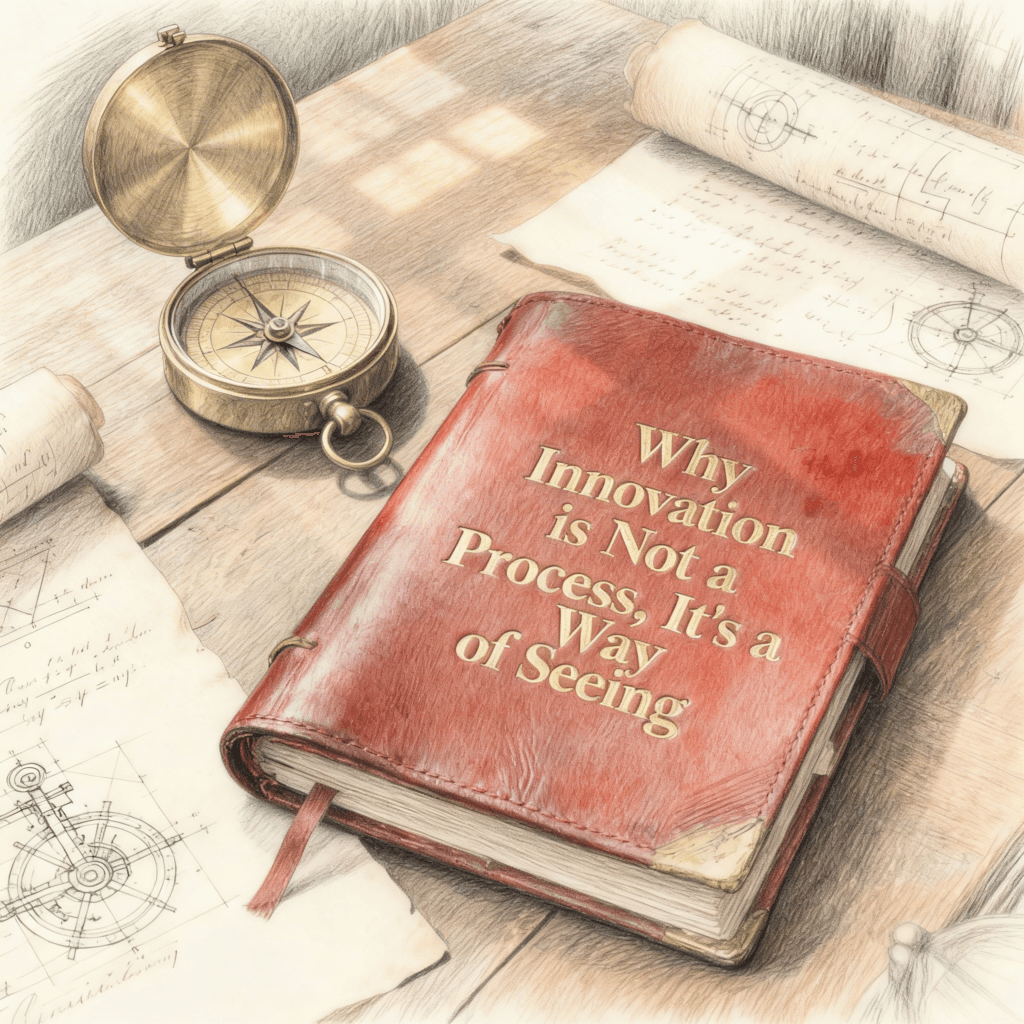
Why Innovation is Not a Process, It's a Way of Seeing

Why Innovation is Not a Process, It’s a Way of Seeing

Walk into any corporate innovation lab and you’ll find the same artifacts. Whiteboards covered in sticky notes. Design thinking frameworks printed on foam boards. Stage gates mapped out like subway lines. Innovation consultants will sell you a five-step process. Business schools will teach you the funnel. Everyone promises that if you follow the recipe, breakthrough

Why Innovation is Not a Process, It’s a Way of Seeing Read More »

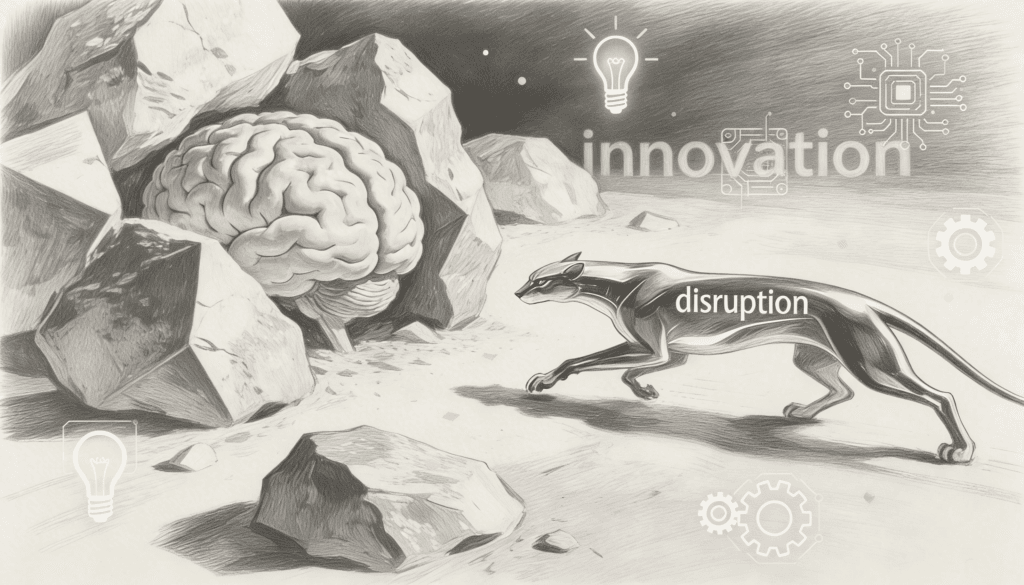
Why Our Brains View Disruption as a Predator

Why Our Brains View Disruption as a Predator (Innovation)

The executive team sits around a polished table, reviewing a proposal for digital transformation. Heart rates spike. Palms sweat. Cortisol floods bloodstreams. To an outside observer, you’d think they were being chased by a lion rather than discussing a software upgrade. They’re not irrational. They’re human. Our brains come equipped with machinery designed for a

Why Our Brains View Disruption as a Predator (Innovation) Read More »

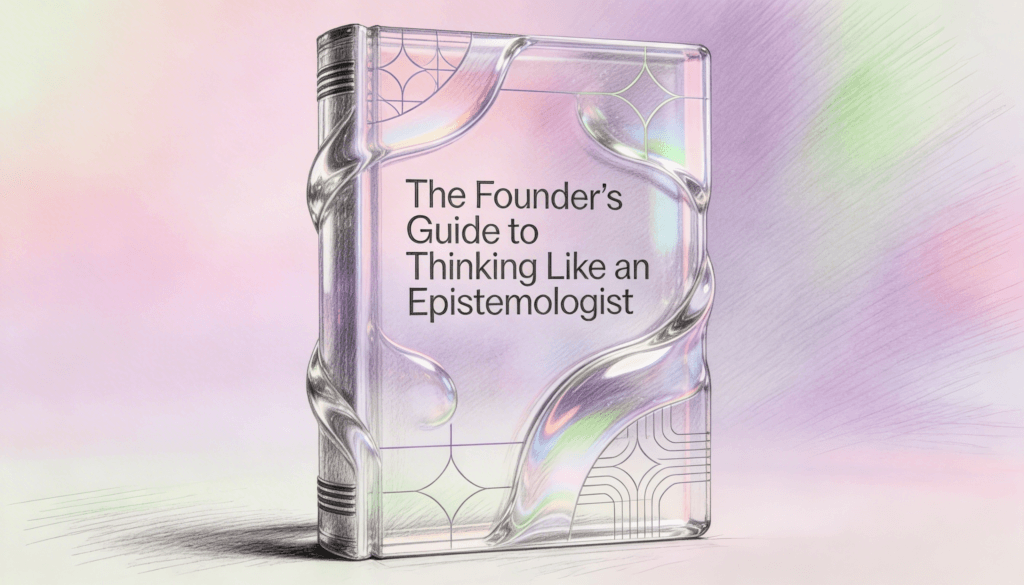
The Founder's Guide to Thinking Like an Epistemologist

The Founder’s Guide to Thinking Like an Epistemologist

You’re building a company on a foundation of beliefs. You believe your product will work. You believe the market exists. You believe your team can execute. But here’s the uncomfortable question: how do you know what you know? Most founders treat certainty like a virtue. They project confidence to investors, employees, and customers. And they

The Founder’s Guide to Thinking Like an Epistemologist Read More »

Why I Told You So Is the Most Expensive Sentence in Your Innovating Company

Why “I Told You So” Is the Most Expensive Sentence in Your Innovating Company

The meeting room falls silent. Someone’s bold idea just crashed into reality. And then you hear it. Those four words that feel like victory but cost you everything: “I told you so.” This sentence shows up in companies everywhere. It arrives after failed product launches, after ignored warnings, after expensive mistakes. The person who says

Why “I Told You So” Is the Most Expensive Sentence in Your Innovating Company Read More »