Entrepreneurship

Every founder eventually hits a question that no business book can answer. Why does success feel empty? Why do smart people build stupid systems? Why does the market reward people who take risks but punish the ones who fail? Intellectual Prestige writes about entrepreneurship at the level where economics meets philosophy – where Say’s theory of production meets Seneca’s advice on resilience, and where the difference between a good founder and a great one is not a skill set but a worldview.

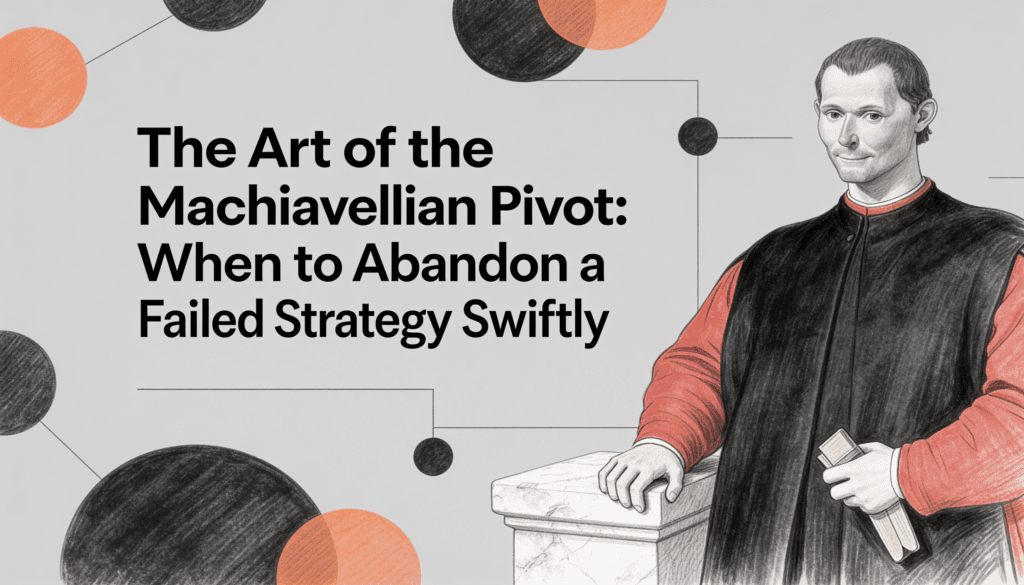
The Art of the Machiavellian Pivot- When to Abandon a Failed Strategy Swiftly

The Art of the Machiavellian Pivot: When to Abandon a Failed Strategy Swiftly

There is a peculiar kind of suffering reserved for the person who knows their plan is failing but keeps going anyway. You can see it in the entrepreneur pouring savings into a dying product, the politician doubling down on a losing message, the chess player who refuses to acknowledge that their opening was a mistake […]

The Art of the Machiavellian Pivot: When to Abandon a Failed Strategy Swiftly Read More »
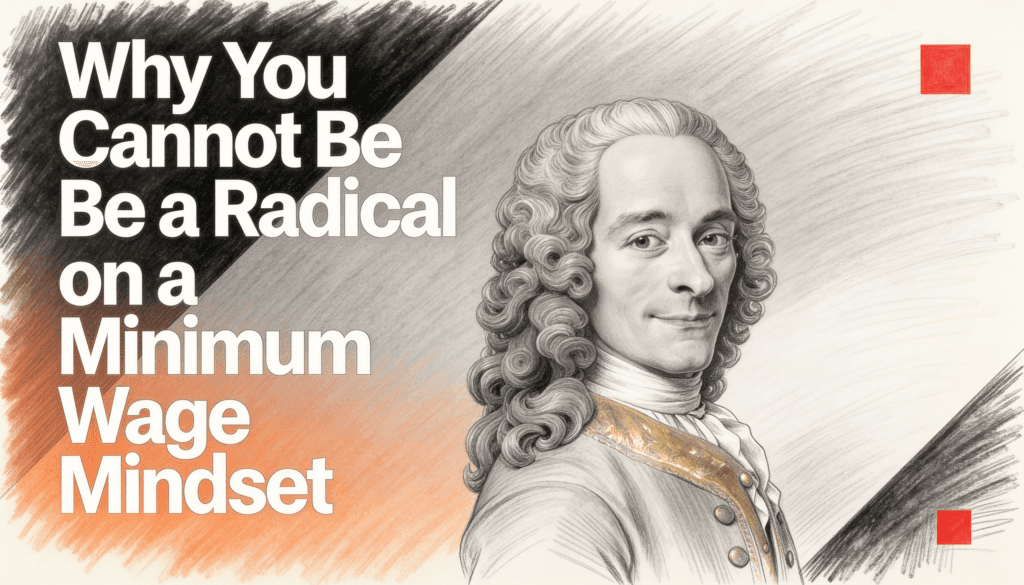
Your Skillset Is Your Capital- How to Audit Your Personal Production Capacity

Your Skillset Is Your Capital: How to Audit Your Personal Production Capacity

Jean-Baptiste Say had a idea that many economists after him conveniently ignored. While everyone else was busy arguing about land, labor, and gold, Say quietly insisted that the real engine of wealth was something far less glamorous: what you personally know how to do. Your skills, your knowledge, your ability to combine resources in ways

Your Skillset Is Your Capital: How to Audit Your Personal Production Capacity Read More »

Everything is a Trade- Why Money is Just a Temporary Placeholder for Your Productivity

Everything is a Trade: Why Money is Just a Temporary Placeholder for Your Productivity

There is a French economist most people have never heard of who figured out something about money that most people still do not understand. His name was Jean-Baptiste Say. He lived through the French Revolution, watched empires rise and collapse, and somewhere in the chaos, he landed on an idea so simple it almost sounds

Everything is a Trade: Why Money is Just a Temporary Placeholder for Your Productivity Read More »

Capitalism as Darwinism- Why Schumpeter is the Biologist of Economics

Capitalism as Darwinism: Why Schumpeter is the Biologist of Economics

Most economists treat their field like physics. They draw curves that intersect at neat little points, write equations that pretend humans are billiard balls, and speak of equilibrium as if markets were calm ponds waiting to settle. They want economics to behave. They want it to sit still long enough to be measured. Joseph Schumpeter

Capitalism as Darwinism: Why Schumpeter is the Biologist of Economics Read More »

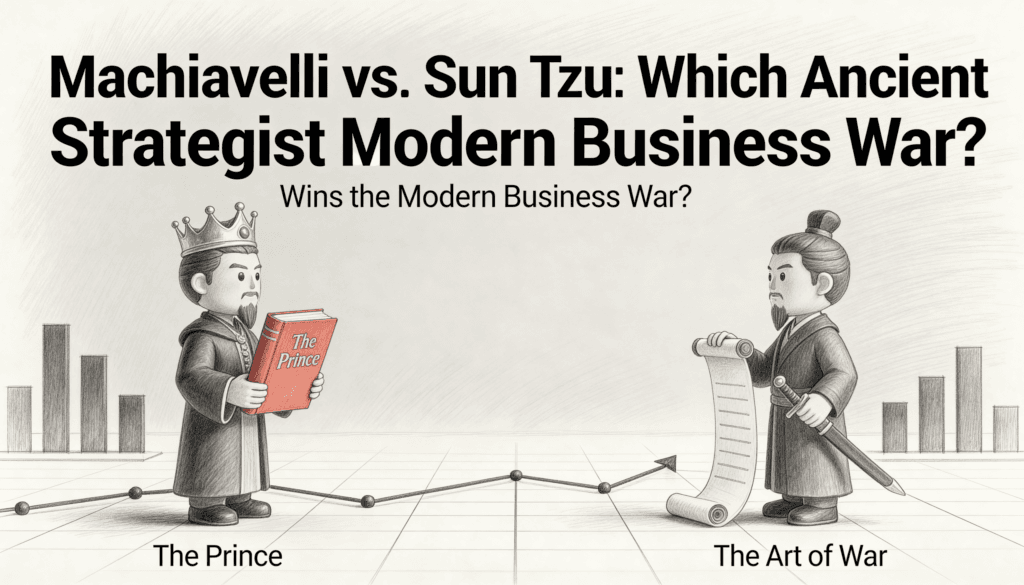
Machiavelli vs. Sun Tzu- Which Ancient Strategist Wins the Modern Business War?

Machiavelli vs. Sun Tzu: Which Ancient Strategist Wins the Modern Business War?

Two men. Two books. Roughly two thousand years between them. And yet both end up sitting on the same shelf in airport bookstores, sandwiched between productivity guides and biographies of people who allegedly wake up at 4 a.m. Sun Tzu wrote The Art of War somewhere around the 5th century BC. Niccolò Machiavelli wrote The

Machiavelli vs. Sun Tzu: Which Ancient Strategist Wins the Modern Business War? Read More »

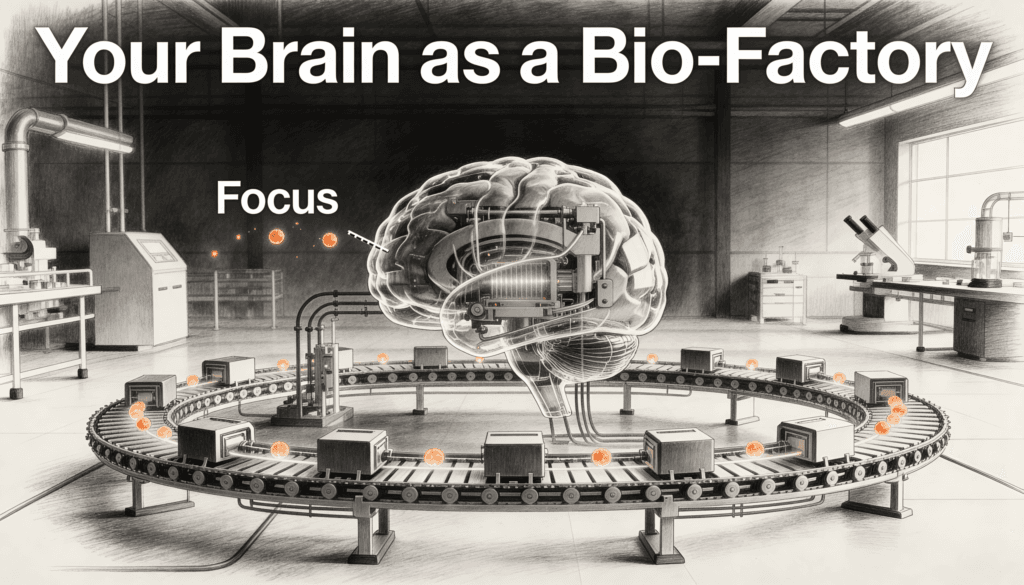
Your Brain as a Bio-Factory- Why Say Would View Focus as the Most Scarce Raw Material

Your Brain as a Bio-Factory: Why Say Would View “Focus” as the Most Scarce Raw Material

Imagine waking up tomorrow and discovering that your brain is not really a brain at all. It is a factory. A small, wet, surprisingly demanding factory sitting on top of your shoulders, running three shifts, churning out ideas, decisions, memories, and the occasional regrettable text message. The product is thought. The output is your life.

Your Brain as a Bio-Factory: Why Say Would View “Focus” as the Most Scarce Raw Material Read More »

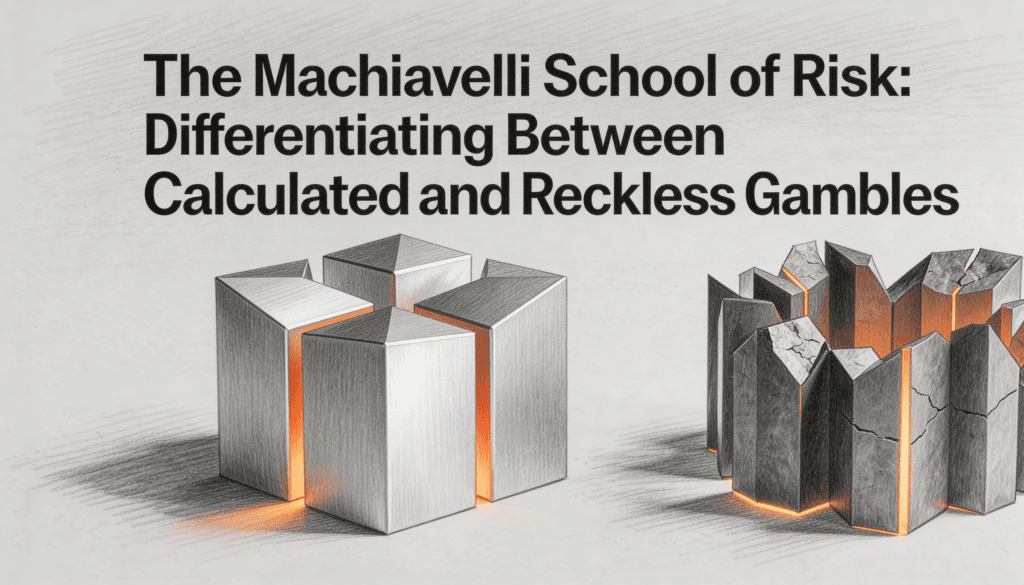
The Machiavelli School of Risk- Differentiating Between Calculated and Reckless Gambles

The Machiavelli School of Risk: Differentiating Between Calculated and Reckless Gambles

Five hundred years ago, a sharp eyed Florentine diplomat watched princes rise and fall with the regularity of bad weather. Some of them gambled their kingdoms on bold moves and walked away wearing crowns. Others made nearly identical moves and ended up exiled, beheaded, or worse, forgotten. Niccolò Machiavelli noticed something strange. The difference between

The Machiavelli School of Risk: Differentiating Between Calculated and Reckless Gambles Read More »