Economics

The best economic thinking was never just about money. It was about incentives, power, human nature, and the invisible rules that make some people rich and others stuck. At Intellectual Prestige, we publish original essays that connect foundational economic theory – from Ricardo’s trade models to Becker’s analysis of everything – to the financial decisions, career strategies, and policy debates that shape your daily life.

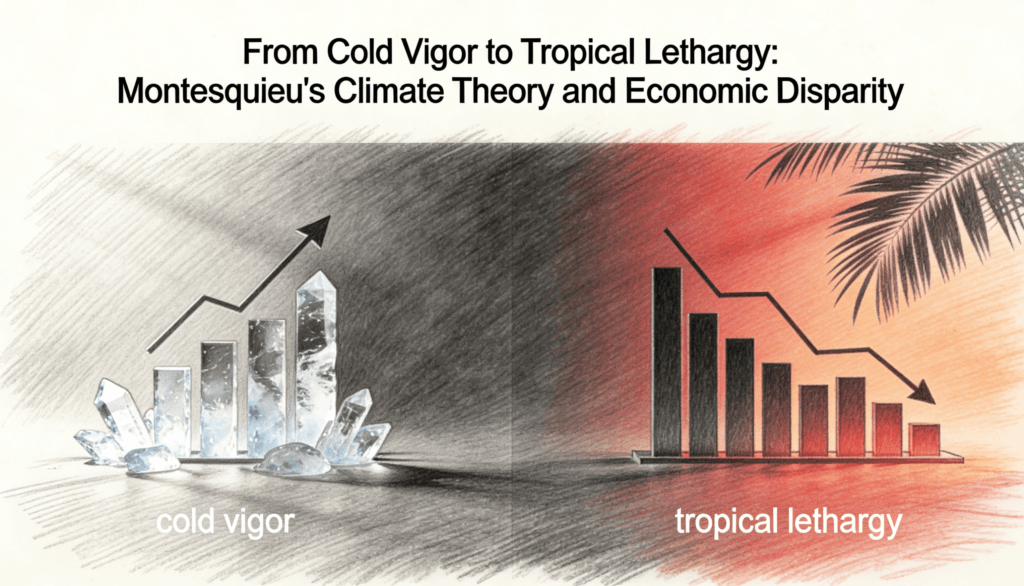
From Cold Vigor to Tropical Lethargy- Montesquieu's Climate Theory and Economic Disparity

From Cold Vigor to Tropical Lethargy: Montesquieu’s Climate Theory and Economic Disparity

In 1748, a French aristocrat published a book that would quietly reshape how Europeans thought about why some nations grew rich while others stayed poor. His name was Charles-Louis de Secondat, Baron de Montesquieu, and his book, The Spirit of the Laws, attempted something audacious. He wanted to explain human civilization itself. Not through divine

From Cold Vigor to Tropical Lethargy: Montesquieu’s Climate Theory and Economic Disparity Read More »

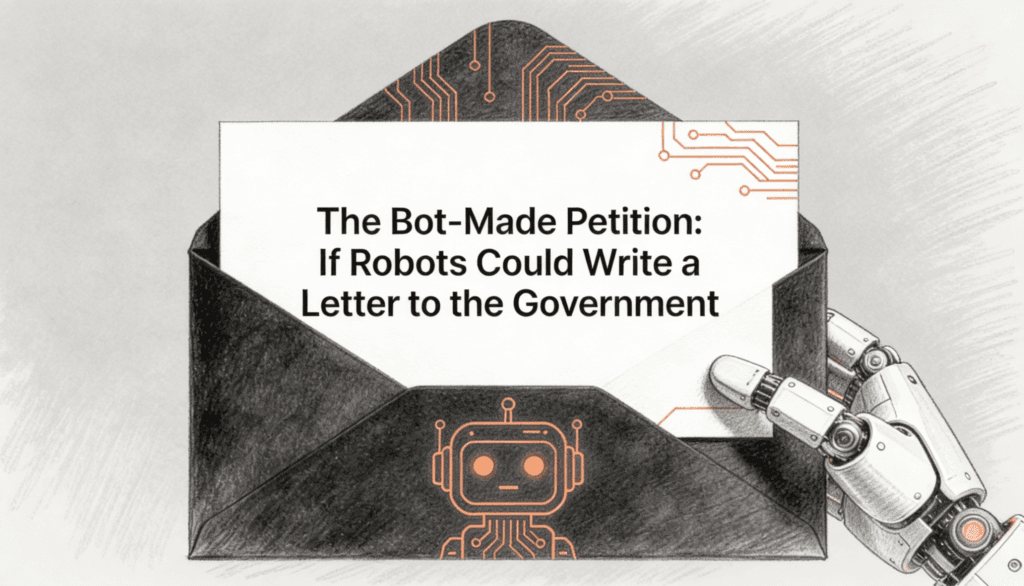
The Bot-Made Petition- If Robots Could Write a Letter to the Government

The Bot-Made Petition: If Robots Could Write a Letter to the Government

In 1845, a French economist named Frédéric Bastiat sat down and wrote one of the most devastating pieces of satire in the history of economics. It was called “The Candlemakers’ Petition,” and it pretended to be a formal complaint from the makers of candles, lamps, and lanterns. Their grievance? A foreign competitor was flooding the

The Bot-Made Petition: If Robots Could Write a Letter to the Government Read More »

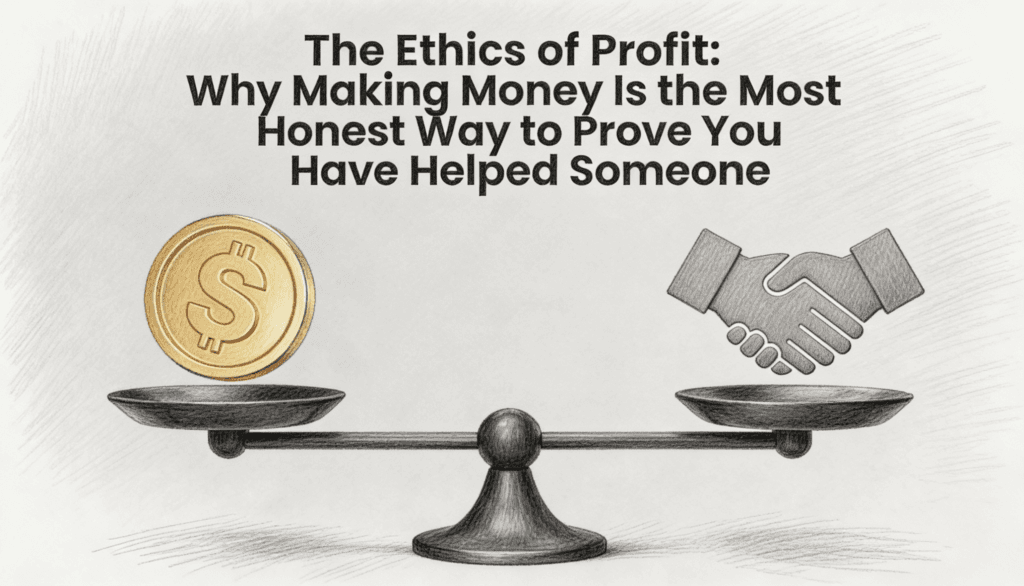
The Ethics of Profit- Why Making Money Is the Most Honest Way to Prove You Have Helped Someone

The Ethics of Profit: Why Making Money Is the Most Honest Way to Prove You Have Helped Someone

There is a quiet scandal at the heart of modern thinking about money. We have somehow arrived at a moment in history where earning a profit is treated as morally suspicious, while losing money is seen as evidence of pure intentions. A nonprofit that burns through donations and produces nothing measurable gets a respectful nod.

The Ethics of Profit: Why Making Money Is the Most Honest Way to Prove You Have Helped Someone Read More »

I Like, Therefore I Am- The Shallow Cartesianism of the Attention Economy

I Like, Therefore I Am: The Shallow Cartesianism of the Attention Economy

Descartes sat by a fire in 1637 and tried to doubt everything. His clothes, his hands, the room itself. He stripped away every certainty until only one thing remained standing. Cogito, ergo sum. I think, therefore I am. Thought, the stubborn thing left over after the great demolition, became the foundation of selfhood for the

I Like, Therefore I Am: The Shallow Cartesianism of the Attention Economy Read More »