Economics

The best economic thinking was never just about money. It was about incentives, power, human nature, and the invisible rules that make some people rich and others stuck. At Intellectual Prestige, we publish original essays that connect foundational economic theory – from Ricardo’s trade models to Becker’s analysis of everything – to the financial decisions, career strategies, and policy debates that shape your daily life.

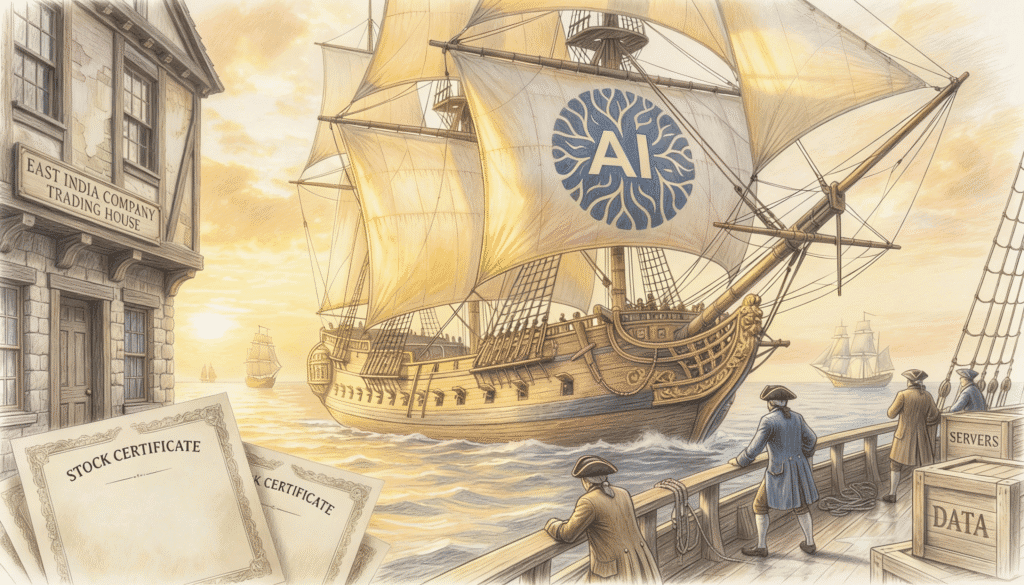
Why OpenAI is the New East India Company (A David Ricardo Reading)

Why OpenAI is the New East India Company (A David Ricardo Reading)

In 1600, merchants convinced Queen Elizabeth I to grant them a monopoly on trade with the East Indies. The pitch: we’ll bring back exotic goods, expand English influence, and share profits with the Crown. In 2015, technologists convinced Silicon Valley that AI should be developed as a nonprofit for humanity’s benefit. The pitch: we’ll build […]

Why OpenAI is the New East India Company (A David Ricardo Reading) Read More »

The 'Bullshit Job' Economy- Why Keynes Predicted We'd Invent Fake Work

The ‘Bullshit Job’ Economy: Why Keynes Predicted We’d Invent Fake Work

In 1930, the economist John Maynard Keynes made a bold prediction. By now, he said, we’d all be working about 15 hours a week. Three hour workdays. A perpetual long weekend. Technology would make us so productive that we’d meet all our needs in a fraction of the time, leaving us to wrestle with the

The ‘Bullshit Job’ Economy: Why Keynes Predicted We’d Invent Fake Work Read More »

Why We Love “Useless” Knowledge: The Status of Knowing Things That Don’t Pay (Thorstein Veblen)

You can’t put Gregorian chant on your resume. Knowing the difference between Doric and Ionic columns won’t get you promoted. Being able to name all the moons of Jupiter doesn’t increase your earning potential. Yet people spend enormous amounts of time acquiring exactly this kind of knowledge. Why? The economist Thorstein Veblen had an answer,

Why We Love “Useless” Knowledge: The Status of Knowing Things That Don’t Pay (Thorstein Veblen) Read More »

Why You're Not an Entrepreneur Until You Combine Labor and Capital (and Risk it All) According to Jean-Baptiste Say

Why You’re Not an Entrepreneur Until You Combine Labor and Capital (and Risk it All) According to Jean-Baptiste Say

Everyone who’s ever sold something on Etsy or posted a “CEO of myself” caption on LinkedIn thinks they’re an entrepreneur. We live in a time when the word has been stretched so thin it barely means anything anymore. Side hustles, passion projects, freelance gigs—we call all of it entrepreneurship. But if we transported a French

Why You’re Not an Entrepreneur Until You Combine Labor and Capital (and Risk it All) According to Jean-Baptiste Say Read More »

Taxation is Theft: Re-evaluating the Most Controversial Phrase in Political History

Taxation is Theft: Re-evaluating the Most Controversial Phrase in Political History (Murray Rothbard)

Three words. That’s all it took for Murray Rothbard to ignite a philosophical war that still rages today. When the economist and political theorist declared that taxation is theft, he wasn’t making a throwaway comment at a cocktail party. He was lobbing a grenade into the foundation of modern civilization. The phrase seems absurd at

Taxation is Theft: Re-evaluating the Most Controversial Phrase in Political History (Murray Rothbard) Read More »

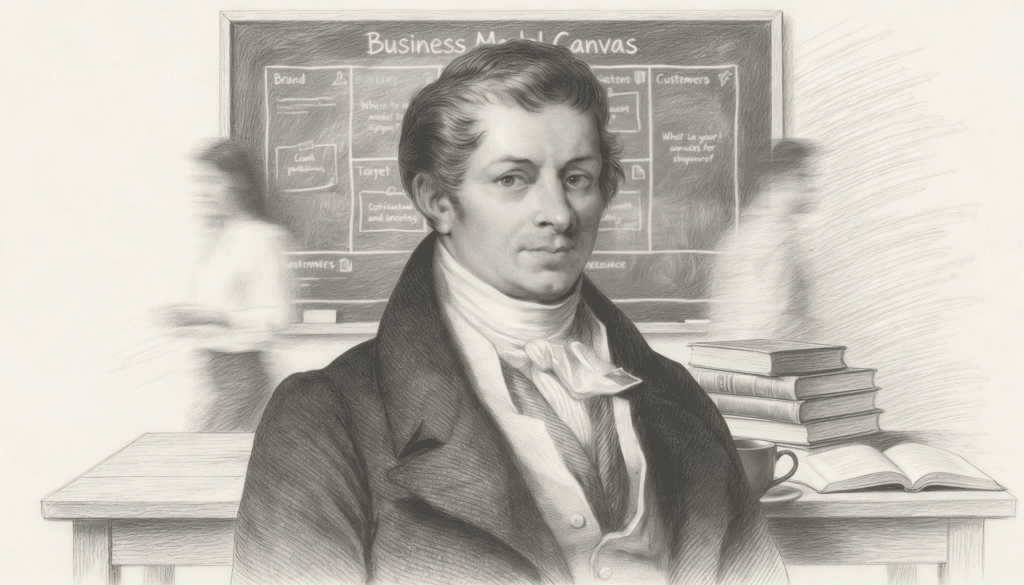
Is Profit a Sin? Re-examining Adam Smith's View on 'Interest' and the Ethics of Passive Income

Is Profit a Sin? Re-examining Adam Smith’s View on ‘Interest’ and the Ethics of Passive Income

Your landlord just raised your rent again. Your savings account yields 0.5% while inflation runs at 3%. Meanwhile, someone’s trust fund baby Instagram account shows them sipping cocktails in Bali, captioned “passive income life.” And somewhere in your chest, something tightens—a feeling that’s part envy, part moral indignation, and entirely confused about whether it should

Is Profit a Sin? Re-examining Adam Smith’s View on ‘Interest’ and the Ethics of Passive Income Read More »

Why Whitehead's Science and the Modern World Must Be Required Reading for MBAs

Why Whitehead’s Science and the Modern World Must Be Required Reading for MBAs

Business schools teach optimization. They teach market analysis, financial modeling, supply chain efficiency, and strategic planning. They train students to break problems into manageable pieces, to quantify everything that can be quantified, and to make decisions based on measurable outcomes. This approach has built empires and created enormous wealth. It has also, increasingly, created enormous

Why Whitehead’s Science and the Modern World Must Be Required Reading for MBAs Read More »

Why Karl Marx Misunderstood Entrepreneurship

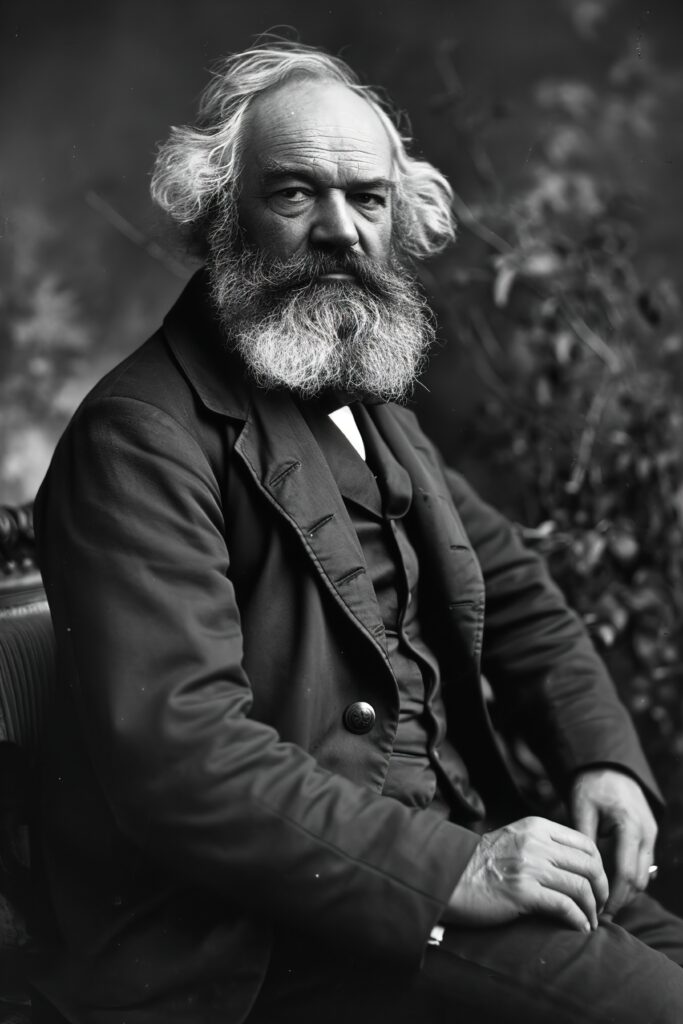
The Problem of Profit: Why Karl Marx Misunderstood Entrepreneurship

Karl Marx’s critique of capitalism, articulated most comprehensively in Das Kapital, remains one of the most influential economic theories in history. At its heart lies a powerful indictment: profit represents exploitation. According to Marx, capitalists extract surplus value from workers by paying them less than the value they create, pocketing the difference as profit. This

The Problem of Profit: Why Karl Marx Misunderstood Entrepreneurship Read More »

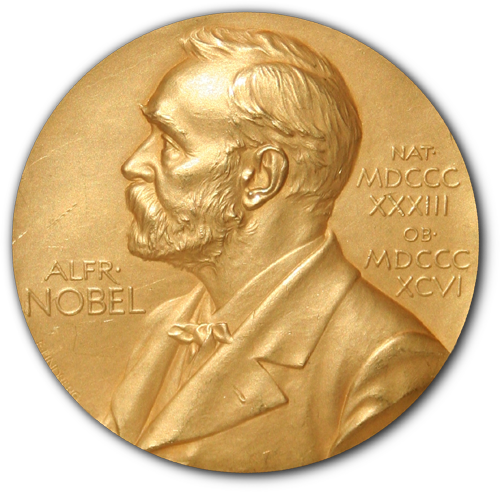
By Photograph: JonathunderMedal: Erik Lindberg (1873-1966) - Derivative of File:NobelPrize.JPG, PD-US, https://en.wikipedia.org/w/index.php?curid=58432969

Nobel Prize Economics 2025: Mokyr, Aghion, Howitt — The Innovation Trilogy

On October 13, 2025, the Royal Swedish Academy of Sciences announced the recipients of the Sveriges Riksbank Prize in Economic Sciences in Memory of Alfred Nobel. Joel Mokyr, Philippe Aghion, and Peter Howitt were honored for their groundbreaking work in explaining the role of innovation in driving economic growth. This Nobel Prize recognition celebrates the

Nobel Prize Economics 2025: Mokyr, Aghion, Howitt — The Innovation Trilogy Read More »