Economics

The best economic thinking was never just about money. It was about incentives, power, human nature, and the invisible rules that make some people rich and others stuck. At Intellectual Prestige, we publish original essays that connect foundational economic theory – from Ricardo’s trade models to Becker’s analysis of everything – to the financial decisions, career strategies, and policy debates that shape your daily life.

Why ChatGPT Is the New Steam Engine of the Intellectual Class

Why ChatGPT Is the New “Steam Engine” of the Intellectual Class

In 1821, David Ricardo did something unusual for an economist who had spent his career defending machinery. He changed his mind. In the third edition of his Principles of Political Economy and Taxation, he added a new chapter titled “On Machinery,” in which he admitted that the introduction of machines could, in fact, hurt workers. […]

Why ChatGPT Is the New “Steam Engine” of the Intellectual Class Read More »
Keynes the Elitist- Why He Didn't Trust the Public to Manage Their Own Money

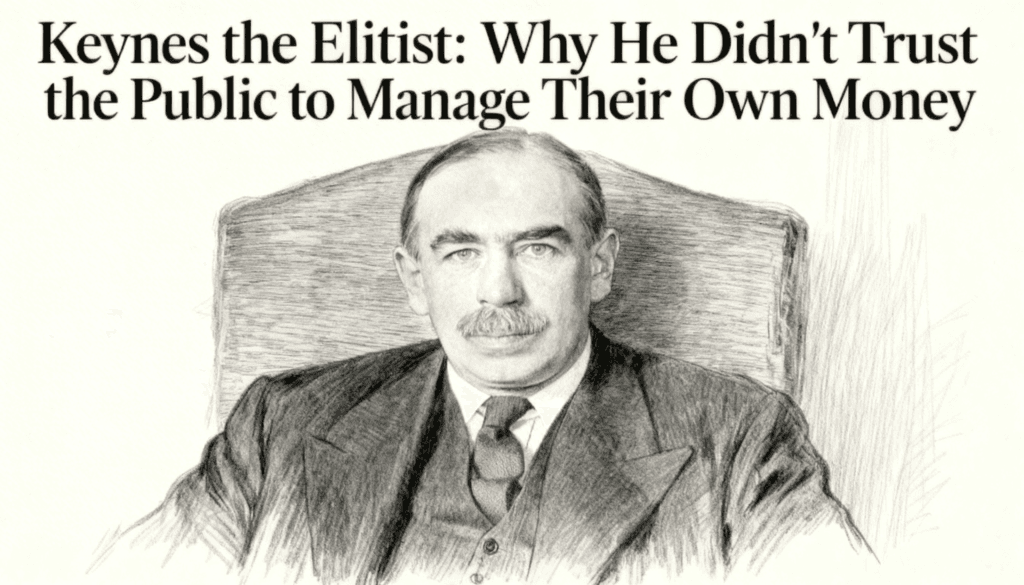
Keynes the Elitist: Why He Didn’t Trust the Public to Manage Their Own Money

John Maynard Keynes thought you were bad with money. Not you specifically. Everyone. The whole public. He believed that ordinary people, left to their own devices, would make financial decisions so poor that entire economies would collapse. And the frustrating part is that he was mostly right. This is the story of one of the

Keynes the Elitist: Why He Didn’t Trust the Public to Manage Their Own Money Read More »

Why Jean Baptiste Say Is the Most Radical Man in the History of Money

Why Jean Baptiste Say Is the Most Radical Man in the History of Money

When people think of radical economic thinkers, they tend to reach for the obvious names. Marx, with his barricades and manifestos. Keynes, with his cocktail party brilliance and government spending programs. Maybe Milton Friedman, cigar in hand, telling everyone that inflation is always and everywhere a monetary phenomenon. Almost nobody reaches for Jean Baptiste Say.

Why Jean Baptiste Say Is the Most Radical Man in the History of Money Read More »

Why Intellectuals Hate Capitalism, According to Schumpeter

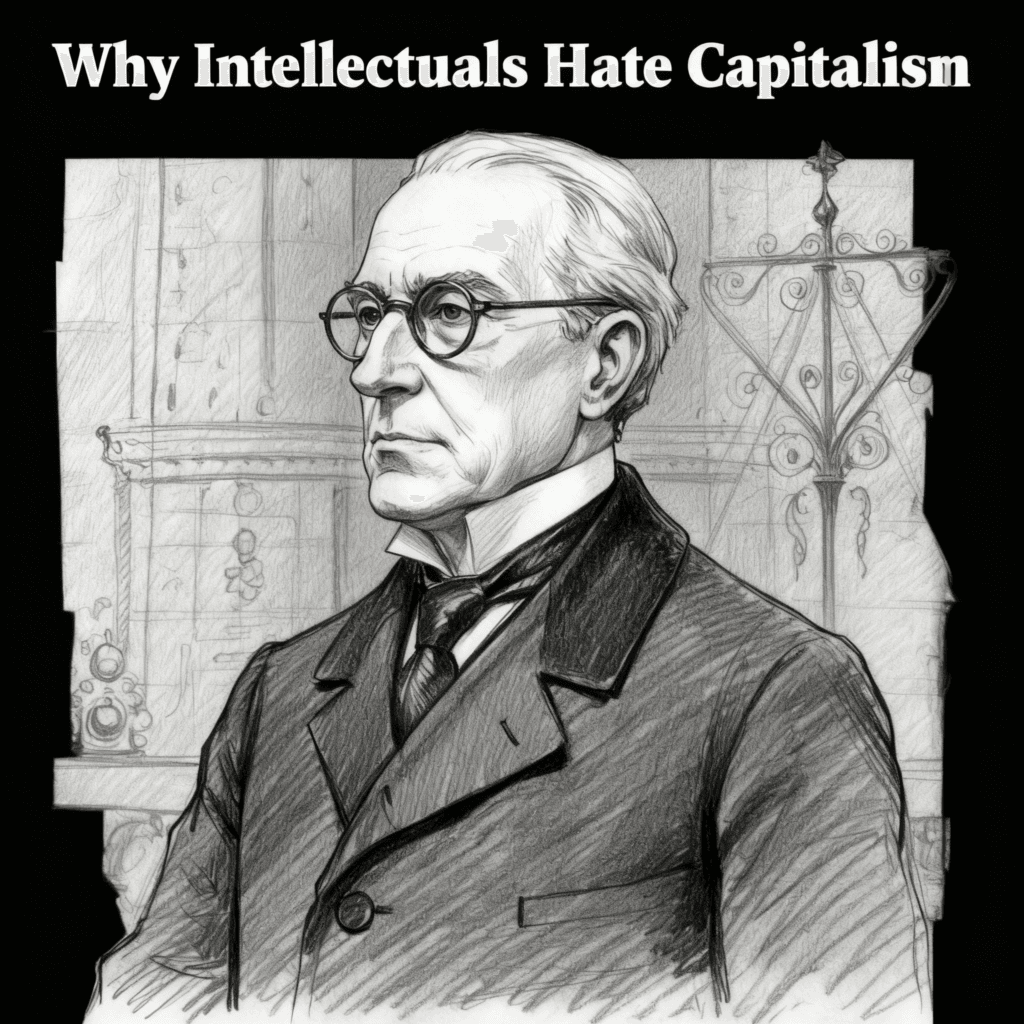
Why Intellectuals Hate Capitalism, According to Schumpeter

There is something deeply strange about the fact that the people who benefit most from capitalism are often its loudest critics. University professors with tenure, writers with publishing deals, journalists at major outlets, artists funded by grants or wealthy patrons. These are not the wretched of the earth. They are, by any historical standard, among

Why Intellectuals Hate Capitalism, According to Schumpeter Read More »

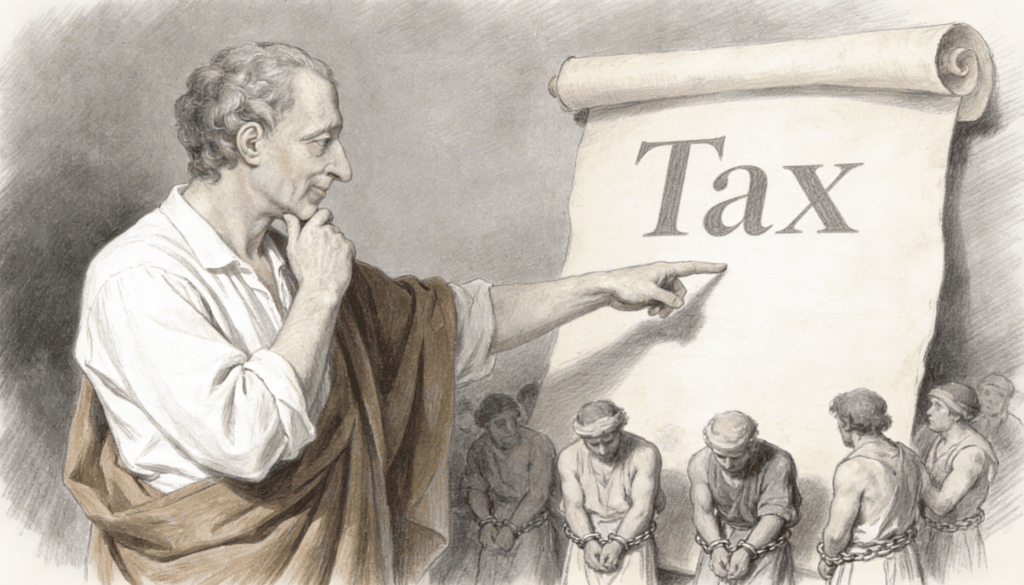
Taxation as Tyranny- Montesquieu's Argument for a Frugal Republic

Taxation as Tyranny: Montesquieu’s Argument for a Frugal Republic

The modern state has an appetite. It consumes revenue the way a growing organism consumes nutrients, always requiring more to sustain its expanding functions. We accept this as normal, even inevitable. But Charles-Louis de Secondat, Baron de Montesquieu, writing in eighteenth-century France, saw something different when he looked at heavy taxation. He saw the slow

Taxation as Tyranny: Montesquieu’s Argument for a Frugal Republic Read More »

Is Your Data Your Property? The 300 Year Old Answer from John Locke

Is Your Data Your Property? The 300 Year Old Answer from John Locke

Every time you scroll through a feed, tap “accept” on a cookie banner, or type a search query, you are producing something. You are generating data. Clicks, locations, preferences, habits, relationships, fears, desires. All of it captured, stored, processed, and sold. The question nobody seems to settle is whether any of that belongs to you.

Is Your Data Your Property? The 300 Year Old Answer from John Locke Read More »

The Morality of Profit- Why Being Pro-Business is Actually Pro-Human

The Morality of Profit: Why Being Pro-Business is Actually Pro-Human

There’s a peculiar shame attached to profit in modern discourse. We celebrate the entrepreneur who “gives back” but eye with suspicion the one who simply makes money. We applaud companies that announce charitable initiatives but question those that focus on doing one thing exceptionally well at a good price. This moral framework treats profit as

The Morality of Profit: Why Being Pro-Business is Actually Pro-Human Read More »