Politics

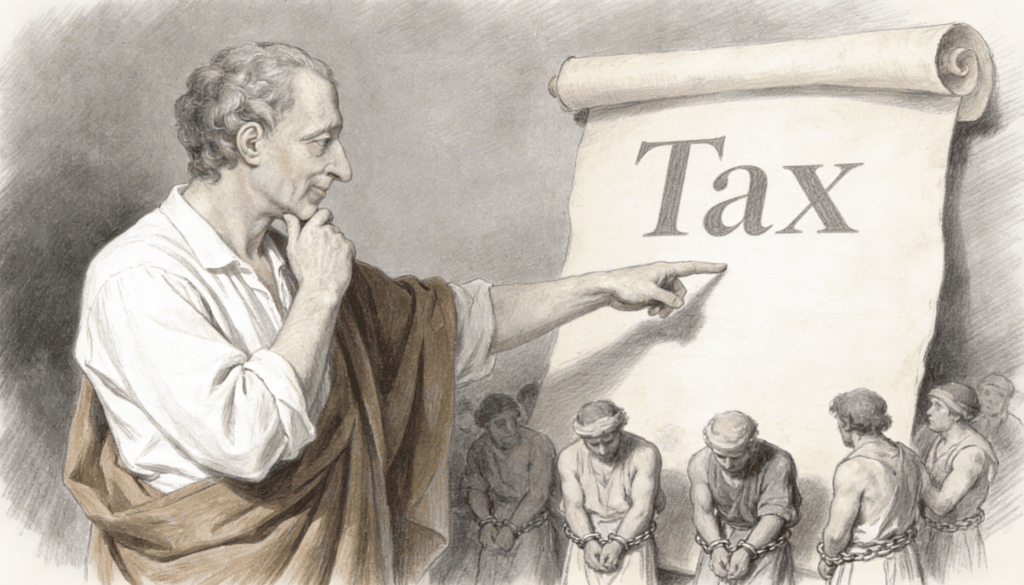
Taxation as Tyranny- Montesquieu's Argument for a Frugal Republic

Taxation as Tyranny: Montesquieu’s Argument for a Frugal Republic

The modern state has an appetite. It consumes revenue the way a growing organism consumes nutrients, always requiring more to sustain its expanding functions. We accept this as normal, even inevitable. But Charles-Louis de Secondat, Baron de Montesquieu, writing in eighteenth-century France, saw something different when he looked at heavy taxation. He saw the slow

Taxation as Tyranny: Montesquieu’s Argument for a Frugal Republic Read More »

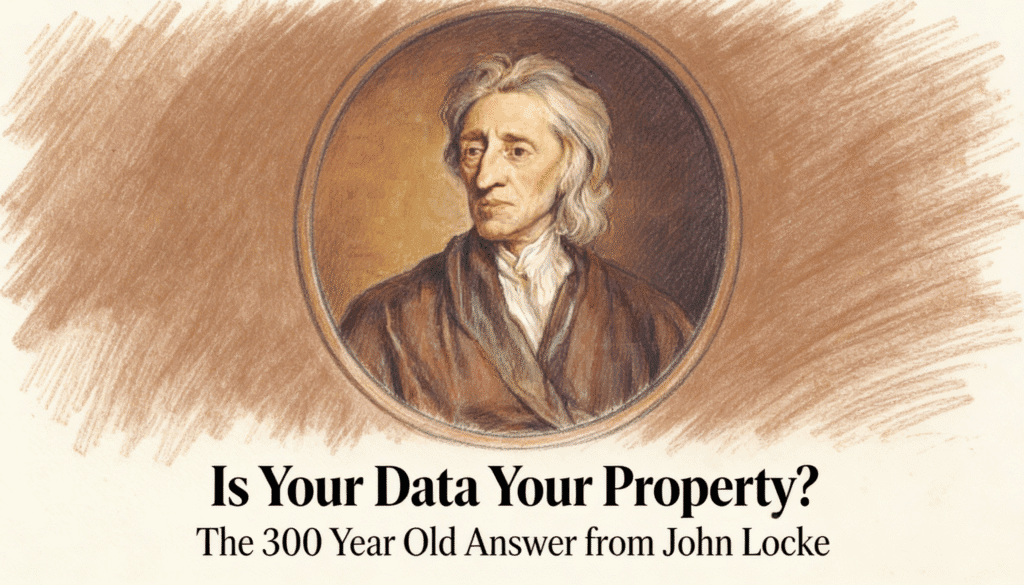
Is Your Data Your Property? The 300 Year Old Answer from John Locke

Is Your Data Your Property? The 300 Year Old Answer from John Locke

Every time you scroll through a feed, tap “accept” on a cookie banner, or type a search query, you are producing something. You are generating data. Clicks, locations, preferences, habits, relationships, fears, desires. All of it captured, stored, processed, and sold. The question nobody seems to settle is whether any of that belongs to you.

Is Your Data Your Property? The 300 Year Old Answer from John Locke Read More »

The Paradox of Progress- Why Locke Thought We'd Get Less Free Over Time

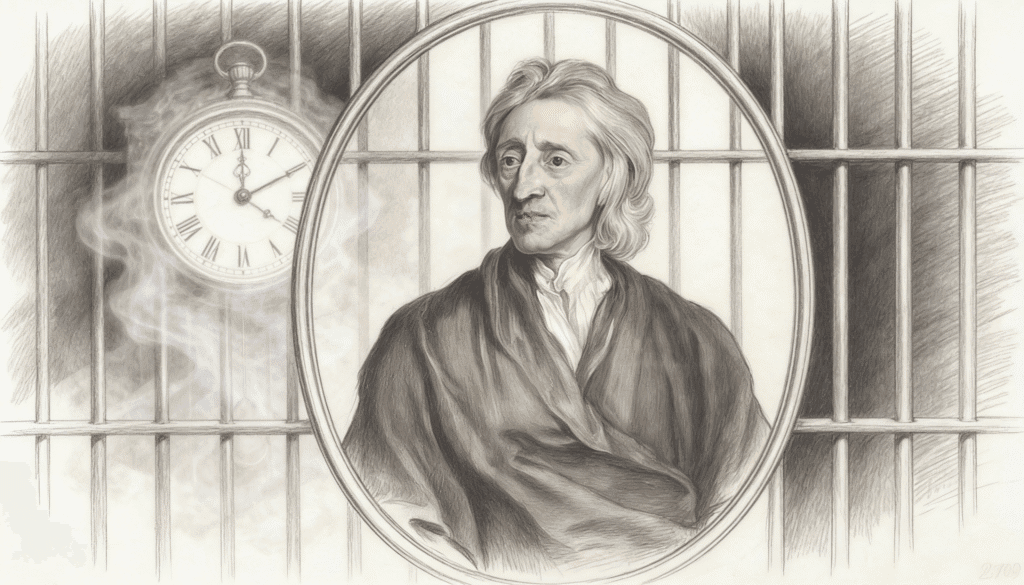
The Paradox of Progress: Why John Locke Thought We’d Get Less Free Over Time

John Locke never said this explicitly, but buried in his ideas about government lies an uncomfortable truth: the very systems we create to protect our freedom will inevitably eat away at it. This isn’t a bug in the Lockean system. It’s a feature. And we’re watching it play out in real time. Most people remember

The Paradox of Progress: Why John Locke Thought We’d Get Less Free Over Time Read More »

NATO is the New Delian League- And We All Know How That Ended (Thucydides)

NATO is the New Delian League: And We All Know How That Ended (Thucydides)

Thucydides watched Athens destroy itself through the very alliance meant to protect it. Twenty-five centuries later, we might be watching a rerun. The Delian League began with the noblest of intentions. Greek city-states, exhausted from repelling Persian invasions, needed collective security. They needed someone strong enough to coordinate defense, wealthy enough to maintain a navy,

NATO is the New Delian League: And We All Know How That Ended (Thucydides) Read More »

The War of the Symbols- Why Hijabs, Flags, and Statues Matter More Than GDP

The War of the Symbols: Why Hijabs, Flags, and Statues Matter More Than GDP

Your economy is booming. Your GDP climbs every quarter. Jobs multiply like rabbits. And yet, people are fighting in the streets over a piece of cloth or a chunk of bronze from 1887. Welcome to the 21st century, where prosperity doesn’t buy peace and economic growth can’t compete with identity. Samuel Huntington saw this coming

The War of the Symbols: Why Hijabs, Flags, and Statues Matter More Than GDP Read More »

Why Modern Leaders are Too Afraid of Friction (Carl von Clausewitz)

Carl von Clausewitz on Why Capable Modern Leaders are Too Afraid of “Friction”

Carl von Clausewitz never met a management consultant. The Prussian general, writing in the early 19th century, would have found their obsession with efficiency puzzling. He spent his career studying war, the messiest human endeavor imaginable, and came to understand something most modern leaders have forgotten: friction is not a bug in the system. It

Carl von Clausewitz on Why Capable Modern Leaders are Too Afraid of “Friction” Read More »

Credibility as Currency- Why Losing the Narrative is More Costly than Losing a Battle (Joseph Nye)

Credibility as Currency: Why Losing the “Narrative” is More Costly than Losing a Battle (Joseph Nye)

When Winning Looks Like Losing The tank is stuck in the mud. The general surveys the battlefield and sees his forces retreating. By every traditional measure, he has lost. But three thousand miles away, a different story appears on screens around the world. In this version, the retreat becomes a strategic repositioning. The stuck tank

Credibility as Currency: Why Losing the “Narrative” is More Costly than Losing a Battle (Joseph Nye) Read More »

Why Financial Literacy is a Form of Governance (Not Freedom) (Michel Foucault)

We are told that financial literacy will set us free. Learn to budget, understand compound interest, diversify your portfolio, and you will escape the chains of poverty and debt. The promise is simple: knowledge equals power, and power equals freedom. But what if this entire framework is backwards? What if financial literacy is not the

Why Financial Literacy is a Form of Governance (Not Freedom) (Michel Foucault) Read More »