IP Team

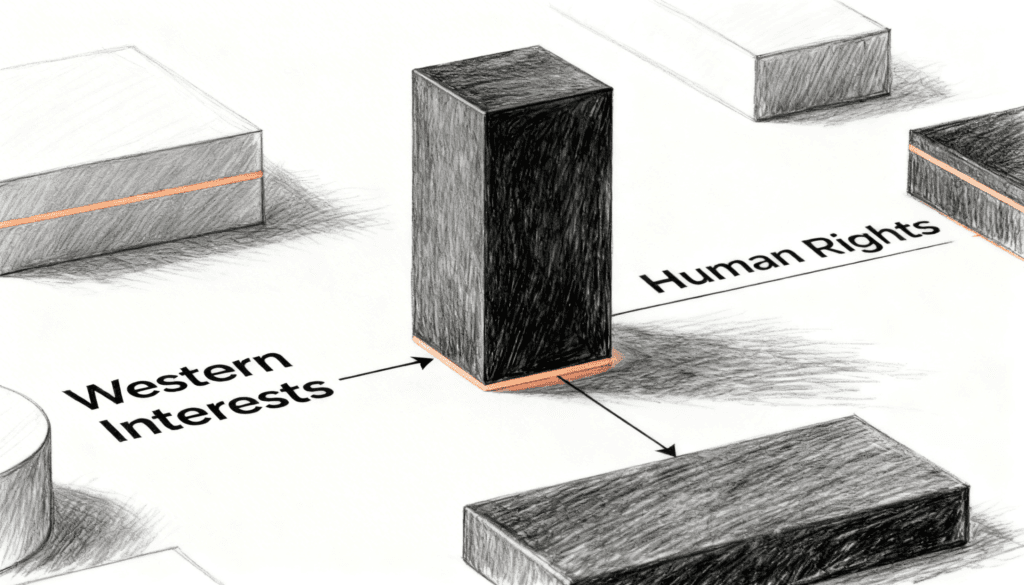
Why Human Rights Is Often Just Code for Western Interests

Why Human Rights Is Often Just Code for “Western Interests”

There is a certain kind of idea that makes people uncomfortable not because it is wrong, but because it might be right. Samuel Huntington’s claim that human rights discourse often functions as a vehicle for Western geopolitical interests is one of those ideas. It sits in the intellectual living room like an uninvited guest who […]

Why Human Rights Is Often Just Code for “Western Interests” Read More »
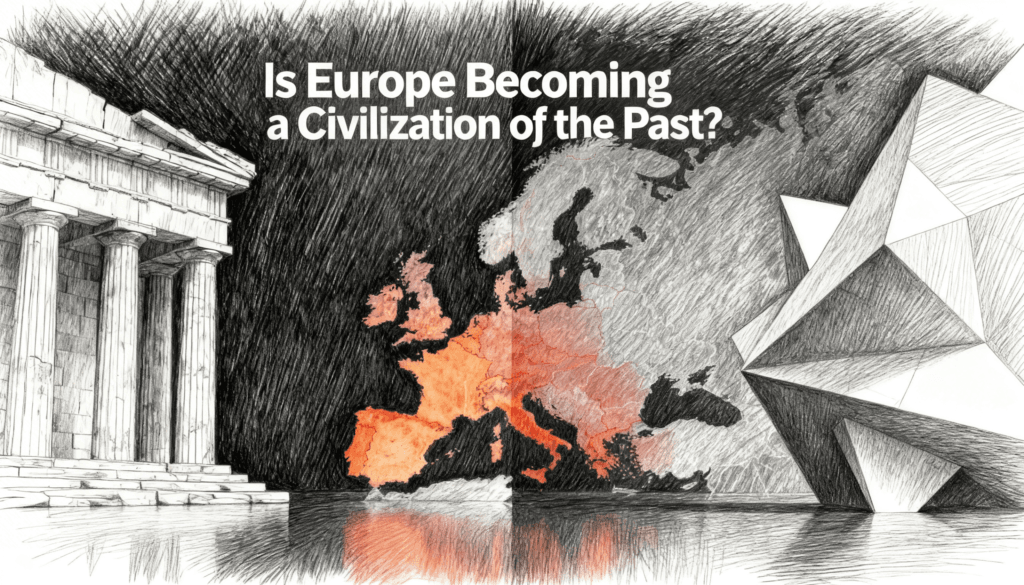
Is Europe Becoming a Civilization of the Past?

Is Europe Becoming a Civilization of the Past?

In 1996, Samuel Huntington published The Clash of Civilizations and the Remaking of World Order and managed to irritate almost everyone. Liberals called him a fearmonger. Conservatives loved him until they realized he was not exactly cheerful about the West either. Academics dismissed the book as reductive. Then September 11 happened, and suddenly everyone was

Is Europe Becoming a Civilization of the Past? Read More »

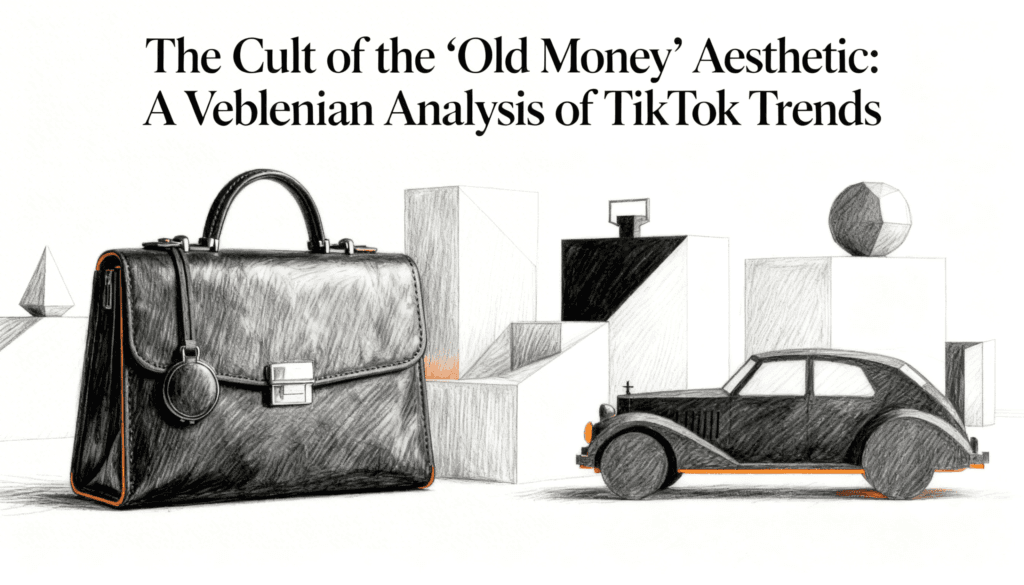
The Cult of the Old Money Aesthetic- A Veblenian Analysis of TikTok Trends

The Cult of the “Old Money” Aesthetic: A Veblenian Analysis of TikTok Trends

Thorstein Veblen died in 1929, broke and largely forgotten, in a cabin outside Palo Alto. He would have appreciated the irony. The man who spent his career dissecting how the wealthy perform their wealth could not have imagined that nearly a century later, teenagers on a Chinese social media app would prove his theories with

The Cult of the “Old Money” Aesthetic: A Veblenian Analysis of TikTok Trends Read More »

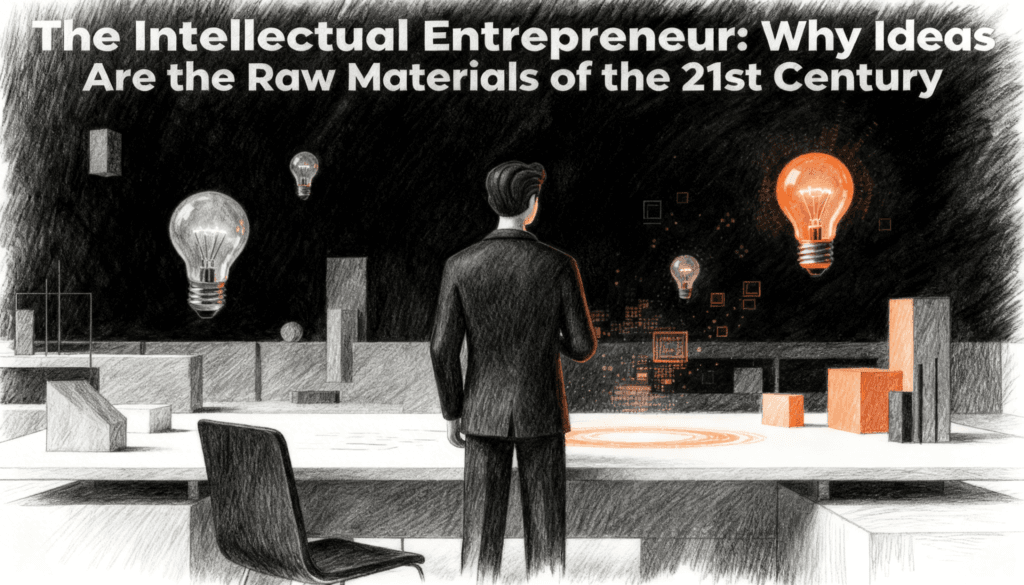
The Intellectual Entrepreneur- Why Ideas Are the Raw Materials of the 21st Century

The Intellectual Entrepreneur: Why Ideas Are the Raw Materials of the 21st Century

In 1803, a French economist named Jean-Baptiste Say made a claim that most people ignored for about two hundred years. He argued that the entrepreneur’s real job was not to own land or accumulate capital. It was to combine knowledge, judgment, and imagination into something the world did not yet know it needed. He called

The Intellectual Entrepreneur: Why Ideas Are the Raw Materials of the 21st Century Read More »

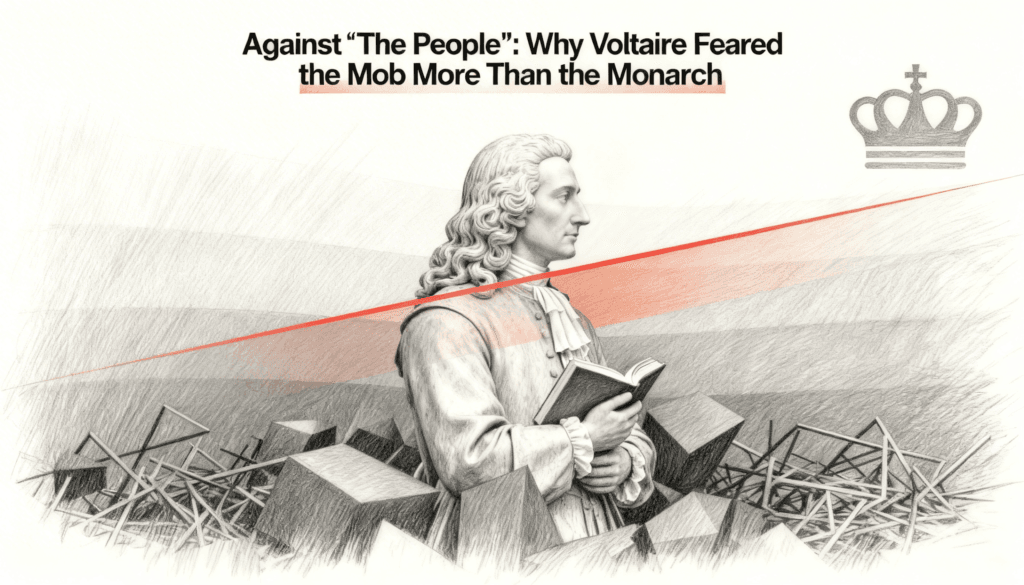
Against The People- Why Voltaire Feared the Mob More Than the Monarch

Against “The People”: Why Voltaire Feared the Mob More Than the Monarch

There is a comfortable story we tell ourselves about the Enlightenment. It goes something like this: brave thinkers stood up against kings and priests, championed the common people, and lit the fuse that would eventually explode into democracy. Voltaire sits near the center of this story, usually holding a quill and looking defiant. The problem

Against “The People”: Why Voltaire Feared the Mob More Than the Monarch Read More »

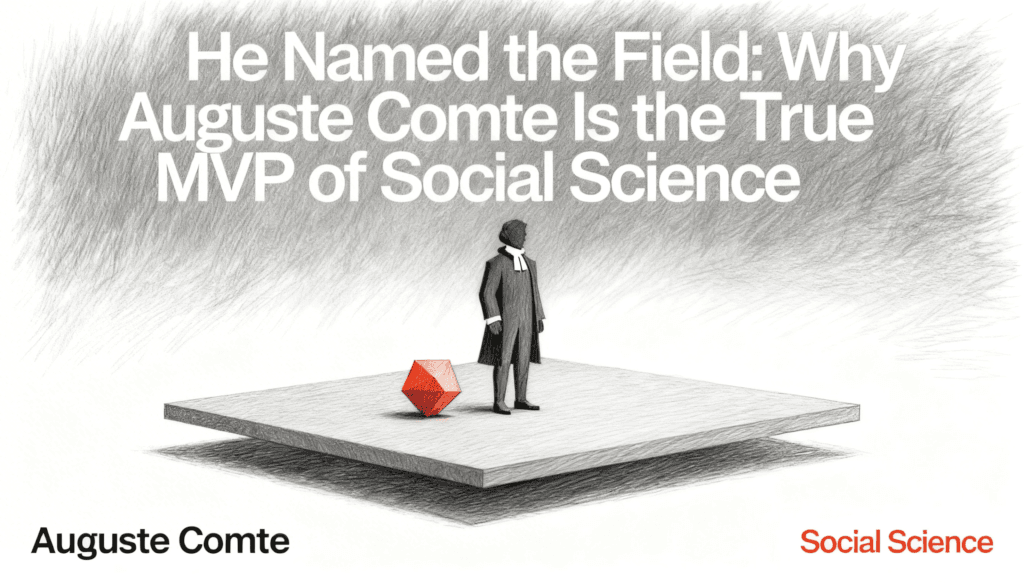
He Named the Field- Why Auguste Comte Is the True MVP of Social Science

He Named the Field: Why Auguste Comte Is the True MVP of Social Science

There is a particular kind of genius that does not get celebrated enough. It is not the genius of discovery. It is the genius of naming. Before Auguste Comte came along in the early nineteenth century, people had been thinking about society for thousands of years. Aristotle did it. Montesquieu did it. Ibn Khaldun did

He Named the Field: Why Auguste Comte Is the True MVP of Social Science Read More »

Content Overload? Why J.B. Say Proves There Is No Such Thing as Too Much Content

Content Overload? Why J.B. Say Proves There Is No Such Thing as “Too Much Content”

Every week, someone publishes a think piece about how we are drowning in content. Too many podcasts. Too many newsletters. Too many blogs saying the same thing in slightly different fonts. The internet, we are told, has become an ocean of noise where nothing meaningful can survive. It sounds reasonable. It even sounds wise. But

Content Overload? Why J.B. Say Proves There Is No Such Thing as “Too Much Content” Read More »

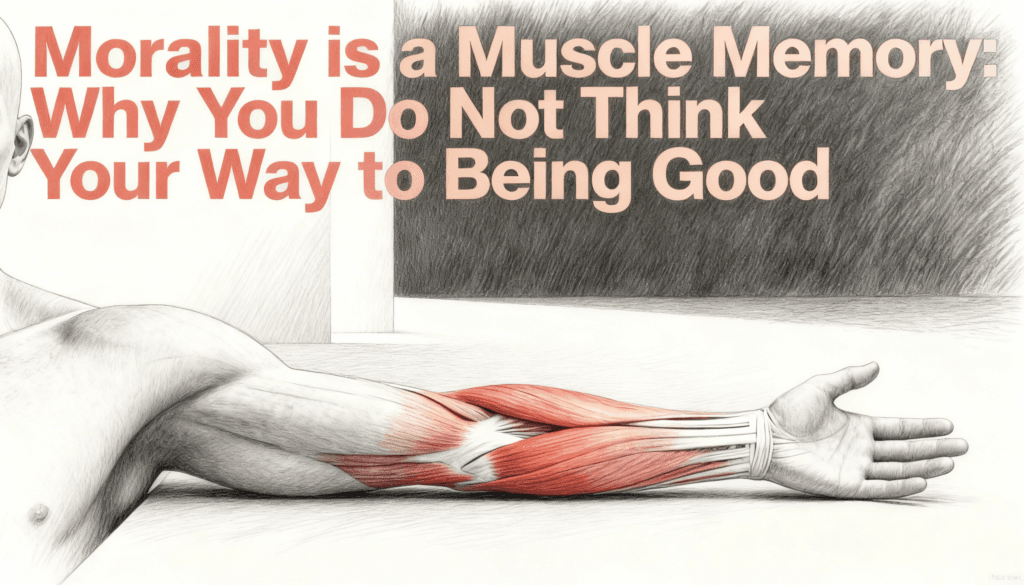
Morality is a Muscle Memory- Why You Do Not Think Your Way to Being Good

Morality is a Muscle Memory: Why You Do Not Think Your Way to Being Good

You probably believe you are a good person because you have thought carefully about right and wrong. You have weighed your options. You have reasoned through dilemmas. You have arrived at conclusions about justice, fairness, and decency through the disciplined application of your rational mind. David Hume would like a word. The Scottish philosopher, writing

Morality is a Muscle Memory: Why You Do Not Think Your Way to Being Good Read More »