Thinkers

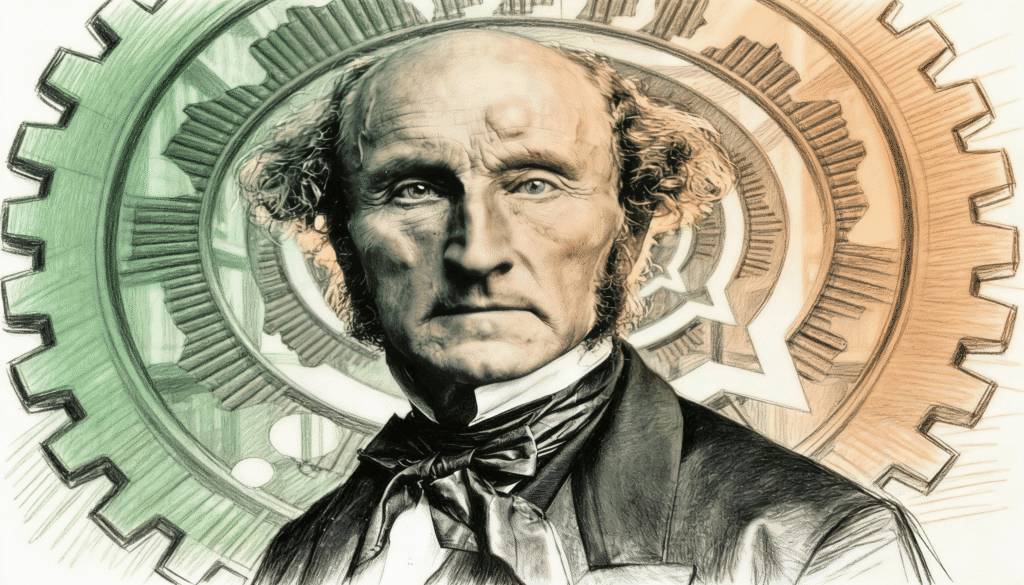
Stop Agreeing- Why Echo Chambers are Making Us Stupider according to John Stuart Mill

Stop Agreeing: Why “Echo Chambers” are Making Us Stupider According to John Stuart Mill

ou’re scrolling through your feed, nodding along to every post. Everyone agrees with you. It feels good, doesn’t it? Like sitting in a warm bath of validation. But here’s the uncomfortable truth: that warm bath is boiling your brain. John Stuart Mill, the 19th century philosopher who wrote On Liberty, had something radical to say […]

Stop Agreeing: Why “Echo Chambers” are Making Us Stupider According to John Stuart Mill Read More »


Why We Love “Useless” Knowledge: The Status of Knowing Things That Don’t Pay (Thorstein Veblen)

You can’t put Gregorian chant on your resume. Knowing the difference between Doric and Ionic columns won’t get you promoted. Being able to name all the moons of Jupiter doesn’t increase your earning potential. Yet people spend enormous amounts of time acquiring exactly this kind of knowledge. Why? The economist Thorstein Veblen had an answer,

Why We Love “Useless” Knowledge: The Status of Knowing Things That Don’t Pay (Thorstein Veblen) Read More »

Why Most of Your Friends Don’t Actually Matter (According to Vilfredo Pareto)

You have 247 friends on social media. Twelve people wished you happy birthday last year in person. Three of them you actually wanted to hear from. This isn’t about being antisocial. It’s about recognizing a pattern that shows up everywhere from your closet to your career, and yes, in your contact list. Most things in

Why Most of Your Friends Don’t Actually Matter (According to Vilfredo Pareto) Read More »

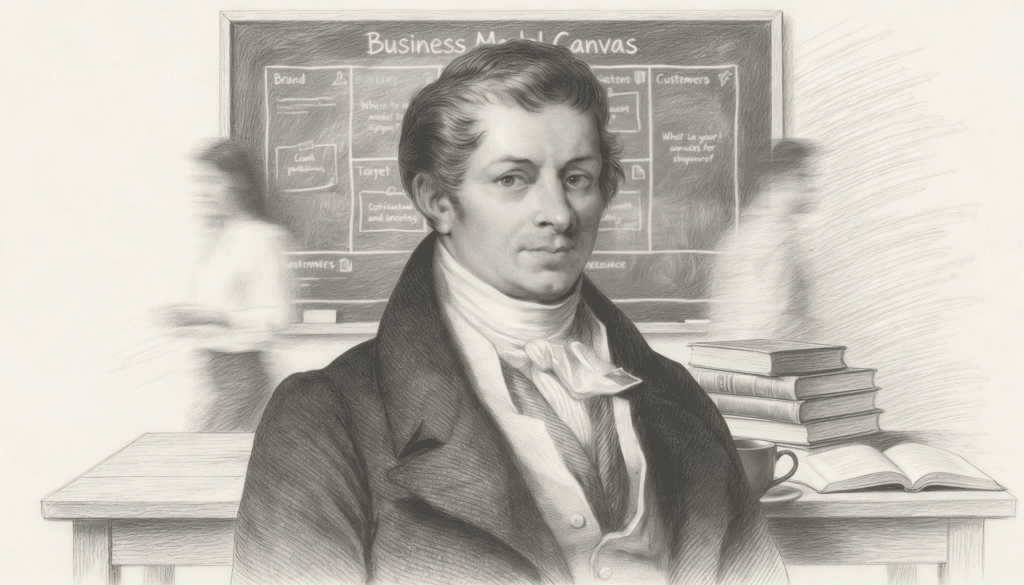
Why You're Not an Entrepreneur Until You Combine Labor and Capital (and Risk it All) According to Jean-Baptiste Say

Why You’re Not an Entrepreneur Until You Combine Labor and Capital (and Risk it All) According to Jean-Baptiste Say

Everyone who’s ever sold something on Etsy or posted a “CEO of myself” caption on LinkedIn thinks they’re an entrepreneur. We live in a time when the word has been stretched so thin it barely means anything anymore. Side hustles, passion projects, freelance gigs—we call all of it entrepreneurship. But if we transported a French

Why You’re Not an Entrepreneur Until You Combine Labor and Capital (and Risk it All) According to Jean-Baptiste Say Read More »

Taxation is Theft: Re-evaluating the Most Controversial Phrase in Political History

Taxation is Theft: Re-evaluating the Most Controversial Phrase in Political History (Murray Rothbard)

Three words. That’s all it took for Murray Rothbard to ignite a philosophical war that still rages today. When the economist and political theorist declared that taxation is theft, he wasn’t making a throwaway comment at a cocktail party. He was lobbing a grenade into the foundation of modern civilization. The phrase seems absurd at

Taxation is Theft: Re-evaluating the Most Controversial Phrase in Political History (Murray Rothbard) Read More »

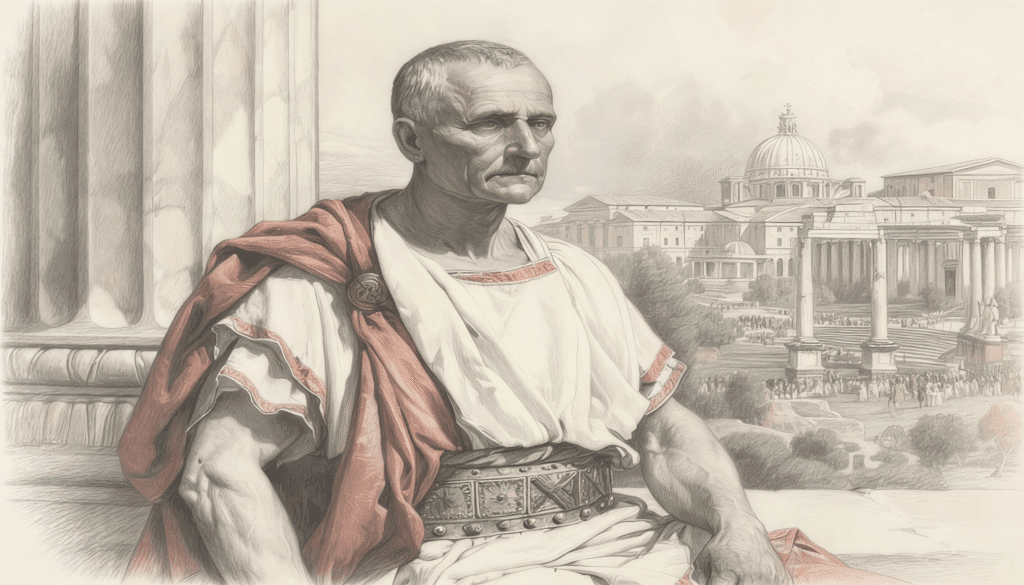
The Original "Thought Leader": How Cicero Monetized Intellect

The Original “Thought Leader”: How Cicero Monetized Intellect

Before LinkedIn influencers discovered the power of personal branding, before TED Talks became the currency of intellectual prestige, there was Marcus Tullius Cicero. Standing in the Roman Forum around 63 BCE, he wasn’t just another lawyer arguing cases. He was building something we’d recognize today: a media empire based entirely on the monetization of ideas.

The Original “Thought Leader”: How Cicero Monetized Intellect Read More »

UBI vs. Negative Income Tax: Through the Lens of Milton Friedman

UBI vs. Negative Income Tax: Through the Lens of Milton Friedman

Picture two economists standing at opposite ends of a bridge, both claiming they want to help poor people cross to the other side. One wants to give everyone a ticket, rich and poor alike. The other wants to pay only for those who cannot afford the crossing. They’re both talking about cash transfers, but Milton

UBI vs. Negative Income Tax: Through the Lens of Milton Friedman Read More »

The Anatomy of a Bad Idea (And How to Kill It According to Francis Bacon)

The Anatomy of a Bad Idea (And How to Kill It According to Francis Bacon)

Francis Bacon never had to sit through a business meeting where someone proposed building a moat around the office to improve security. But if he had, he would have recognized something familiar. The same mental traps that plagued 17th century natural philosophers still plague us today. We just dress them up in better PowerPoint slides.

The Anatomy of a Bad Idea (And How to Kill It According to Francis Bacon) Read More »

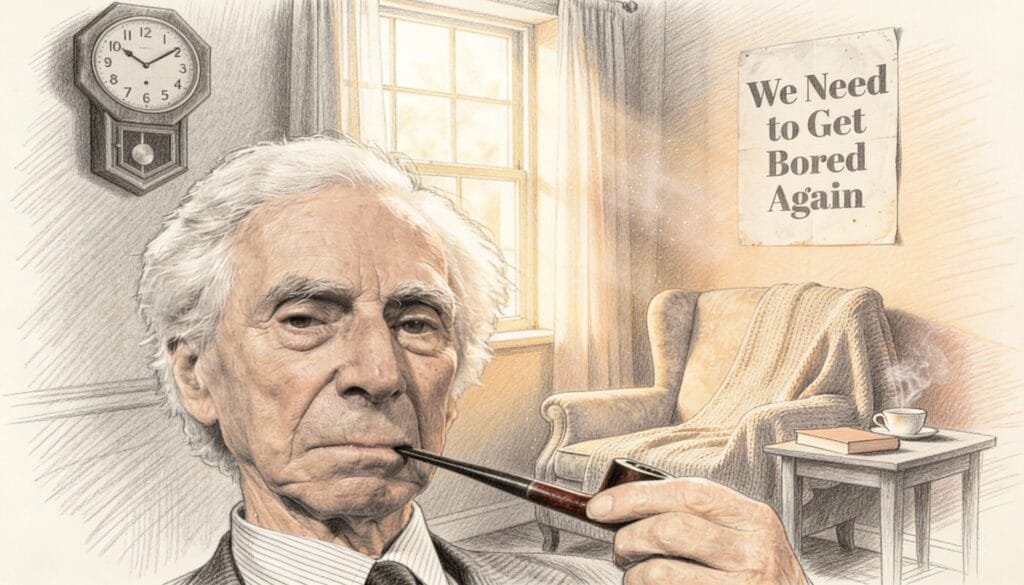
Why We Need to Get Bored Again: Russell’s Defense of ‘Inaction’ in a 24/7 World

We have engineered boredom out of existence. Every pocket contains an escape hatch, every idle moment an opportunity to scroll, swipe, or stream. We treat empty time like a disease requiring immediate treatment. The cure? Another notification, another video, another hit of digital dopamine. But what if we have made a terrible mistake? Bertrand Russell,

Why We Need to Get Bored Again: Russell’s Defense of ‘Inaction’ in a 24/7 World Read More »

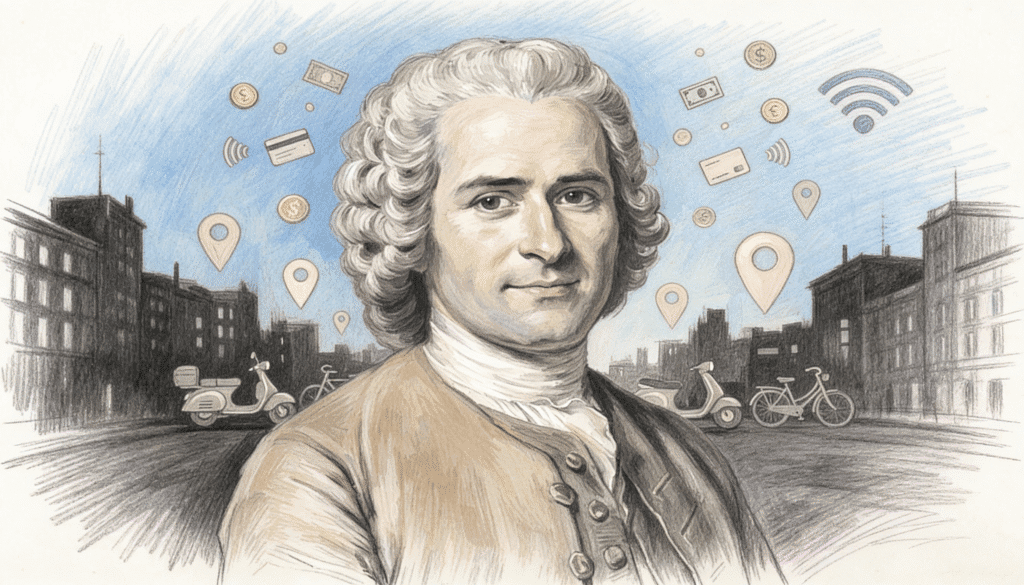
Rousseau and the Gig Economy: Is the 'Freelancer' Truly Free, or Just Isolated?

Rousseau and the Gig Economy: Is the ‘Freelancer’ Truly Free, or Just Isolated?

Jean-Jacques Rousseau wrote his famous line in 1762: “Man is born free, and everywhere he is in chains.” More than 250 years later, we’ve created something curious. We’ve built an economy that promises freedom above all else. You can work from anywhere. You can choose your own hours. You can be your own boss. The

Rousseau and the Gig Economy: Is the ‘Freelancer’ Truly Free, or Just Isolated? Read More »