Philosophy

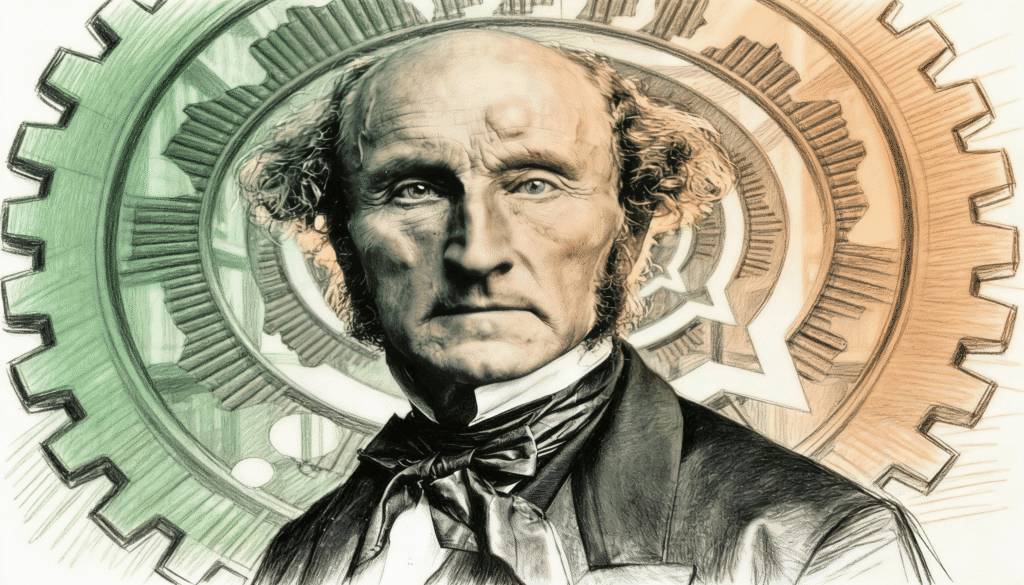
Stop Agreeing- Why Echo Chambers are Making Us Stupider according to John Stuart Mill

Stop Agreeing: Why “Echo Chambers” are Making Us Stupider According to John Stuart Mill

ou’re scrolling through your feed, nodding along to every post. Everyone agrees with you. It feels good, doesn’t it? Like sitting in a warm bath of validation. But here’s the uncomfortable truth: that warm bath is boiling your brain. John Stuart Mill, the 19th century philosopher who wrote On Liberty, had something radical to say […]

Stop Agreeing: Why “Echo Chambers” are Making Us Stupider According to John Stuart Mill Read More »
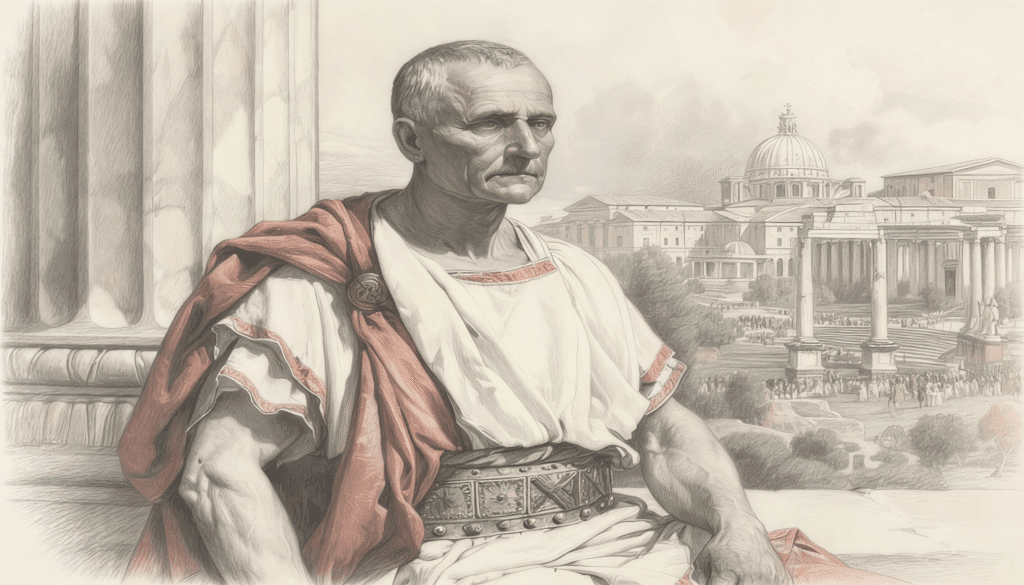

The Original "Thought Leader": How Cicero Monetized Intellect

The Original “Thought Leader”: How Cicero Monetized Intellect

Before LinkedIn influencers discovered the power of personal branding, before TED Talks became the currency of intellectual prestige, there was Marcus Tullius Cicero. Standing in the Roman Forum around 63 BCE, he wasn’t just another lawyer arguing cases. He was building something we’d recognize today: a media empire based entirely on the monetization of ideas.

The Original “Thought Leader”: How Cicero Monetized Intellect Read More »

The Anatomy of a Bad Idea (And How to Kill It According to Francis Bacon)

The Anatomy of a Bad Idea (And How to Kill It According to Francis Bacon)

Francis Bacon never had to sit through a business meeting where someone proposed building a moat around the office to improve security. But if he had, he would have recognized something familiar. The same mental traps that plagued 17th century natural philosophers still plague us today. We just dress them up in better PowerPoint slides.

The Anatomy of a Bad Idea (And How to Kill It According to Francis Bacon) Read More »

The Ghost of Yesterday- How Tradition Kills Innovation (and Your Creativity)

The Ghost of Yesterday: How Tradition Kills Innovation (and Your Creativity) (Ralph Waldo Emerson)

Ralph Waldo Emerson once wrote that “imitation is suicide.” He wasn’t being dramatic. He was pointing at something most of us spend our lives avoiding: the uncomfortable truth that we’re living someone else’s life, thinking someone else’s thoughts, and calling it wisdom. We love tradition. We wrap ourselves in it like a security blanket. We

The Ghost of Yesterday: How Tradition Kills Innovation (and Your Creativity) (Ralph Waldo Emerson) Read More »

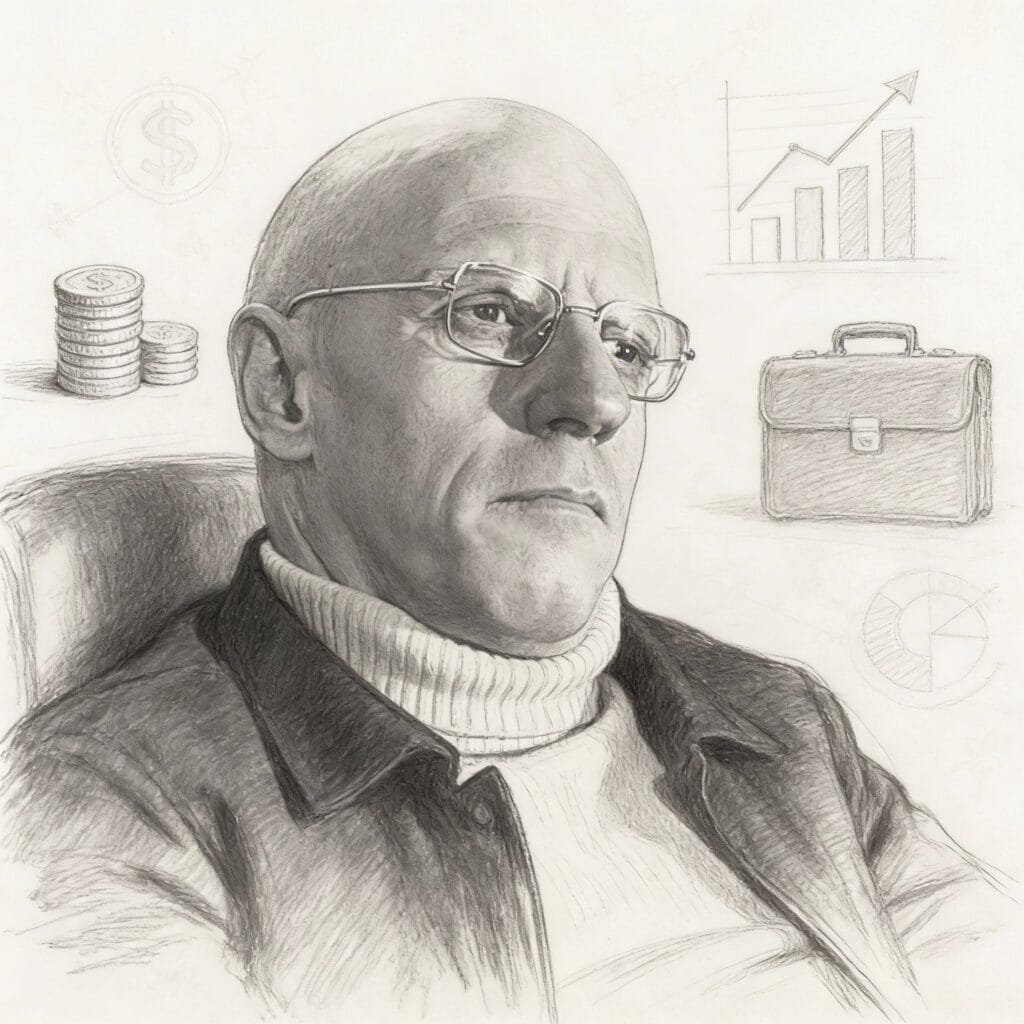
Why Financial Literacy is a Form of Governance (Not Freedom) (Michel Foucault)

We are told that financial literacy will set us free. Learn to budget, understand compound interest, diversify your portfolio, and you will escape the chains of poverty and debt. The promise is simple: knowledge equals power, and power equals freedom. But what if this entire framework is backwards? What if financial literacy is not the

Why Financial Literacy is a Form of Governance (Not Freedom) (Michel Foucault) Read More »

The Cost of Ignorance: Condorcet's Mathematical Argument Against Uninformed Voters

The Cost of Ignorance: Condorcet’s Mathematical Argument Against Uninformed Voters

Picture a courtroom where twelve jurors must decide between guilt and innocence. Each juror has seen the same evidence, heard the same testimony. Now imagine that each of them is slightly better than a coin flip at reaching the right verdict. Maybe they’re correct 60% of the time. Here’s where mathematics delivers a surprise. When

The Cost of Ignorance: Condorcet’s Mathematical Argument Against Uninformed Voters Read More »

Class vs. Status: Why Being an Influencer Trumps Having a Big Bank Account

Class vs. Status: Why Being an Influencer Trumps Having a Big Bank Account (Max Weber)

A millionaire sits alone in a restaurant, and nobody notices. An influencer with 20,000 followers walks in, and phones come out. The millionaire can buy anything in the building. The influencer gets it for free. Welcome to the strangest reversal in modern economics, and it turns out a German sociologist Max Weber predicted this exact

Class vs. Status: Why Being an Influencer Trumps Having a Big Bank Account (Max Weber) Read More »

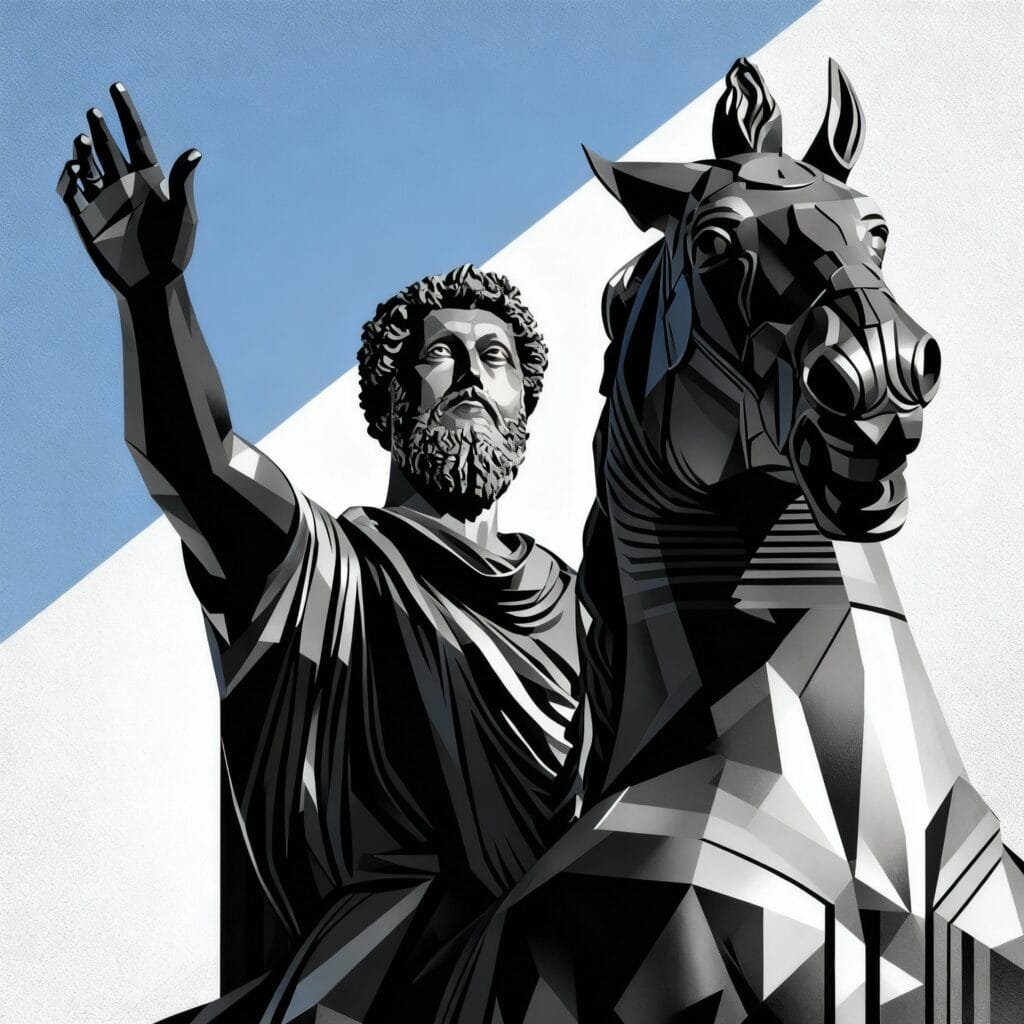
The Roman Emperor Who Knew Why We Crave Constant Entertainment (Marcus Aurelius)

The Roman Emperor Who Knew Why We Crave Constant Entertainment (Marcus Aurelius)

You’re scrolling through your phone again. Another video, another post, another dopamine hit. You tell yourself you’ll stop in five minutes, but five minutes becomes fifty. When you finally put the device down, you feel somehow emptier than before. A Roman emperor figured out why this happens nearly two thousand years ago. He did it

The Roman Emperor Who Knew Why We Crave Constant Entertainment (Marcus Aurelius) Read More »

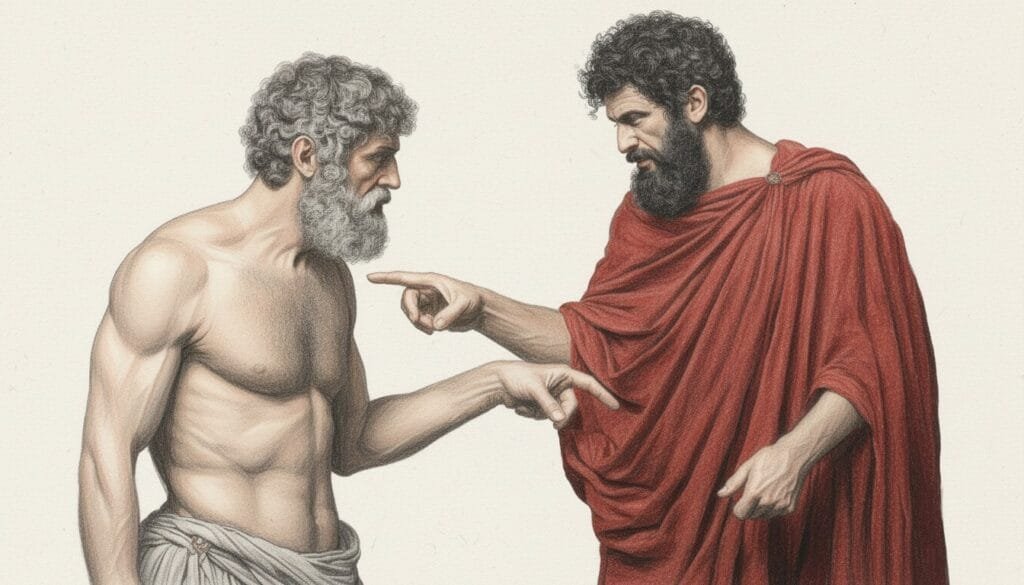
Seneca Would Say Your Greatest Power Isn’t Your IQ—It’s Your Ability to Handle Insults

The Roman philosopher Seneca once watched a wealthy merchant have a complete meltdown because someone called him uncultured at a dinner party. The merchant—brilliant enough to build a trading empire spanning three continents—spent the next six months obsessing over the comment, writing angry letters, and hiring philosophers to publicly defend his sophistication. Seneca’s observation was

Seneca Would Say Your Greatest Power Isn’t Your IQ—It’s Your Ability to Handle Insults Read More »

Thomas Kuhn Was Right- Your Worldview is a Prison You Can't See Out Of

Thomas Kuhn Was Right: Your Worldview is a Prison You Can’t See Out Of

We like to think we see the world as it is. We don’t. We see a version of it, filtered through invisible assumptions we inherited from our culture, our teachers, our moment in history. The philosopher Thomas Kuhn spent his career pointing out this uncomfortable truth: we’re all trapped inside paradigms—ways of seeing—that feel like

Thomas Kuhn Was Right: Your Worldview is a Prison You Can’t See Out Of Read More »