IP Team

Why We Judge Others by Their Actions but Ourselves by Our Intentions (Dan Ariely)

Dan Ariely on Why We Judge Others by Their Actions but Ourselves by Our Intentions

You cut someone off in traffic because your child is vomiting in the back seat and you need to pull over immediately. The other driver thinks you’re a selfish idiot. Later that week, someone cuts you off and you think they’re a selfish idiot. You have no idea they’re rushing to the hospital. This isn’t […]

Dan Ariely on Why We Judge Others by Their Actions but Ourselves by Our Intentions Read More »

The War of the Symbols- Why Hijabs, Flags, and Statues Matter More Than GDP

The War of the Symbols: Why Hijabs, Flags, and Statues Matter More Than GDP

Your economy is booming. Your GDP climbs every quarter. Jobs multiply like rabbits. And yet, people are fighting in the streets over a piece of cloth or a chunk of bronze from 1887. Welcome to the 21st century, where prosperity doesn’t buy peace and economic growth can’t compete with identity. Samuel Huntington saw this coming

The War of the Symbols: Why Hijabs, Flags, and Statues Matter More Than GDP Read More »

Why Modern Leaders are Too Afraid of Friction (Carl von Clausewitz)

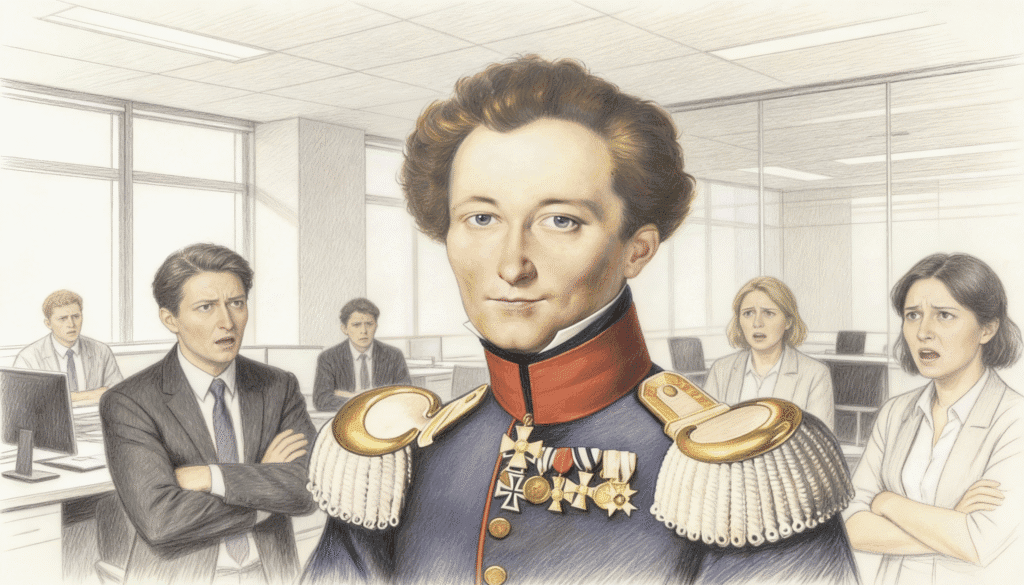
Carl von Clausewitz on Why Capable Modern Leaders are Too Afraid of “Friction”

Carl von Clausewitz never met a management consultant. The Prussian general, writing in the early 19th century, would have found their obsession with efficiency puzzling. He spent his career studying war, the messiest human endeavor imaginable, and came to understand something most modern leaders have forgotten: friction is not a bug in the system. It

Carl von Clausewitz on Why Capable Modern Leaders are Too Afraid of “Friction” Read More »

Why Economics Needs a Darwin, Not a Newton (Richard Nelson)

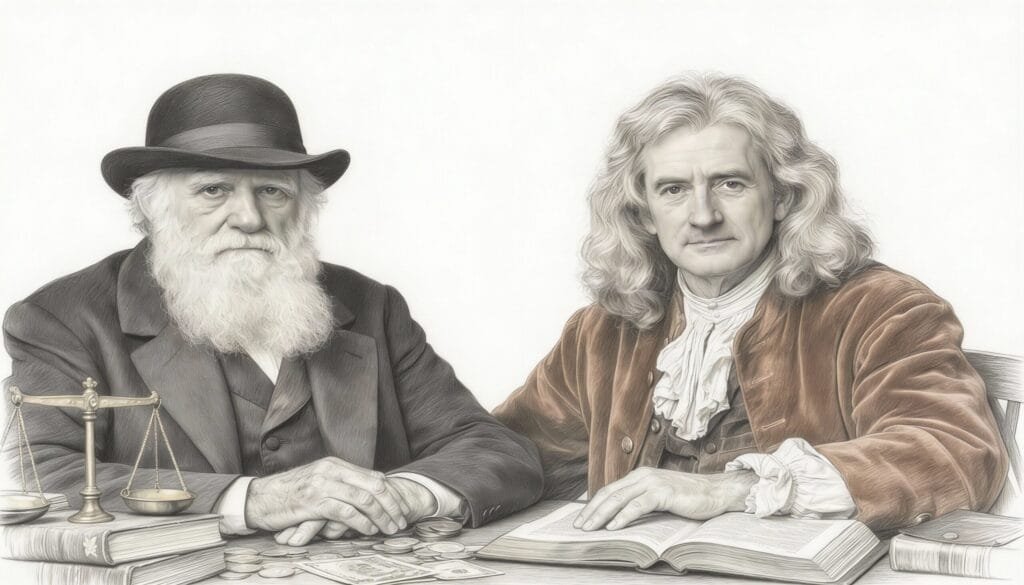
Richard Nelson: Why Economics Needs a Darwin, Not a Newton

Imagine trying to predict which businesses will survive the next decade using the same math that calculates planetary orbits. Sounds absurd, right? Yet for over a century, this has been economics’ deepest ambition. The field has been chasing the ghost of Isaac Newton, hoping to discover eternal laws that govern markets the way gravity governs

Richard Nelson: Why Economics Needs a Darwin, Not a Newton Read More »

Credibility as Currency- Why Losing the Narrative is More Costly than Losing a Battle (Joseph Nye)

Credibility as Currency: Why Losing the “Narrative” is More Costly than Losing a Battle (Joseph Nye)

When Winning Looks Like Losing The tank is stuck in the mud. The general surveys the battlefield and sees his forces retreating. By every traditional measure, he has lost. But three thousand miles away, a different story appears on screens around the world. In this version, the retreat becomes a strategic repositioning. The stuck tank

Credibility as Currency: Why Losing the “Narrative” is More Costly than Losing a Battle (Joseph Nye) Read More »

Why 'Smart Cities' Are Actually Very Stupid (According to Friedrich Hayek)

Why ‘Smart Cities’ Are Actually Very Stupid (Friedrich Hayek)

Picture this: a city that knows when you wake up, tracks how you move, adjusts traffic lights before you arrive, and manages energy down to the last watt. Sensors everywhere. Data flowing like rivers. Algorithms making thousands of decisions per second. This is the dream of the smart city, sold to us as the future

Why ‘Smart Cities’ Are Actually Very Stupid (Friedrich Hayek) Read More »

Forget the Consumer- The Entrepreneur is the Only Person Who Matters

Forget the Consumer: The Entrepreneur is the Only Person Who Matters (Joseph Schumpeter)

Every business book tells you the same story. The customer is king. Listen to your market. Give people what they want. Build your product around consumer needs. This advice sounds so reasonable that questioning it feels almost heretical. Yet Joseph Schumpeter, one of the most influential economists of the twentieth century, thought this entire framework

Forget the Consumer: The Entrepreneur is the Only Person Who Matters (Joseph Schumpeter) Read More »

Why You Should Stop Managing & Start Organizing (Henri Fayol)

Your manager walks past your desk for the fifth time today. She hovers. She checks. She corrects the font size on your presentation. She reminds you about the deadline you already circled in red on your calendar. This is managing. And according to Henri Fayol, the man who essentially invented modern management theory back in

Why You Should Stop Managing & Start Organizing (Henri Fayol) Read More »

How to Spot a Pseudo-Scientist in Your Social Media Feed According to Karl Popper

How to Spot a Pseudo-Scientist in Your Social Media Feed (Karl Popper)

Your uncle just shared another post about how Big Pharma is hiding the cure for everything. Your wellness influencer swears by a detox tea that cleanses your aura. That guy from high school is now an expert on climate science, vaccines, and the true shape of the Earth, apparently all at once. Welcome to the

How to Spot a Pseudo-Scientist in Your Social Media Feed (Karl Popper) Read More »

Why OpenAI is the New East India Company (A David Ricardo Reading)

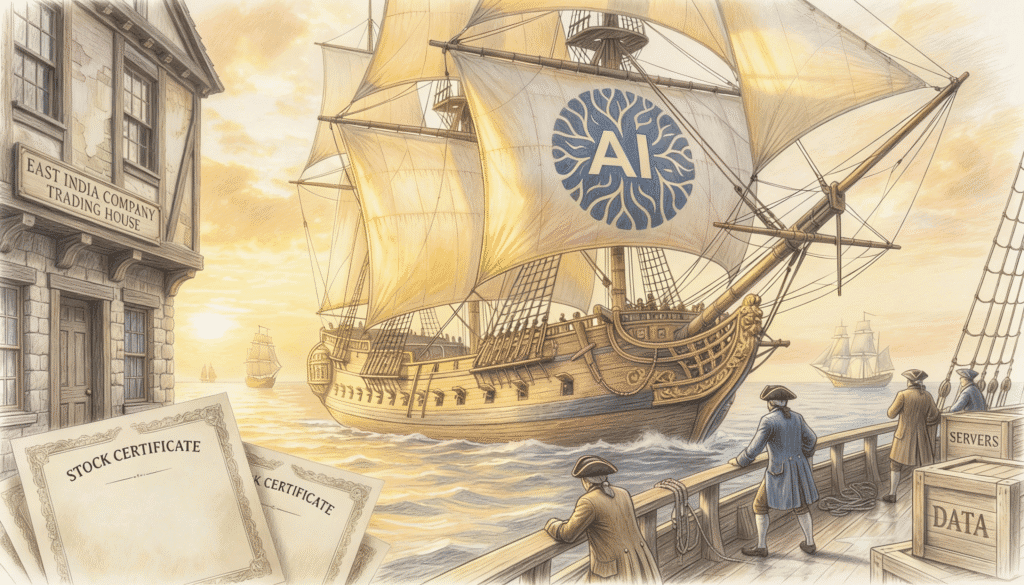
Why OpenAI is the New East India Company (A David Ricardo Reading)

In 1600, merchants convinced Queen Elizabeth I to grant them a monopoly on trade with the East Indies. The pitch: we’ll bring back exotic goods, expand English influence, and share profits with the Crown. In 2015, technologists convinced Silicon Valley that AI should be developed as a nonprofit for humanity’s benefit. The pitch: we’ll build

Why OpenAI is the New East India Company (A David Ricardo Reading) Read More »